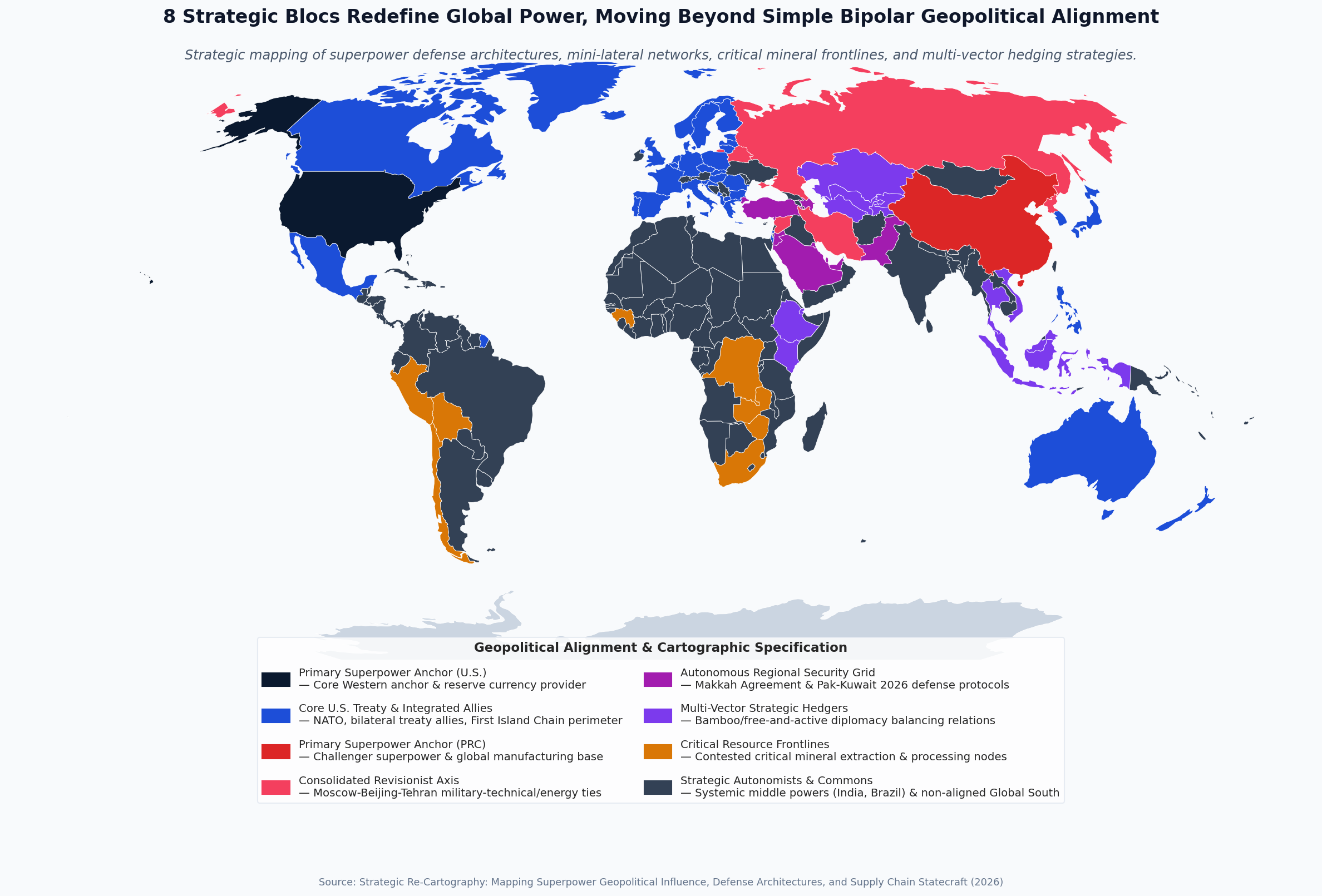
Choke points, Hung and Tether.
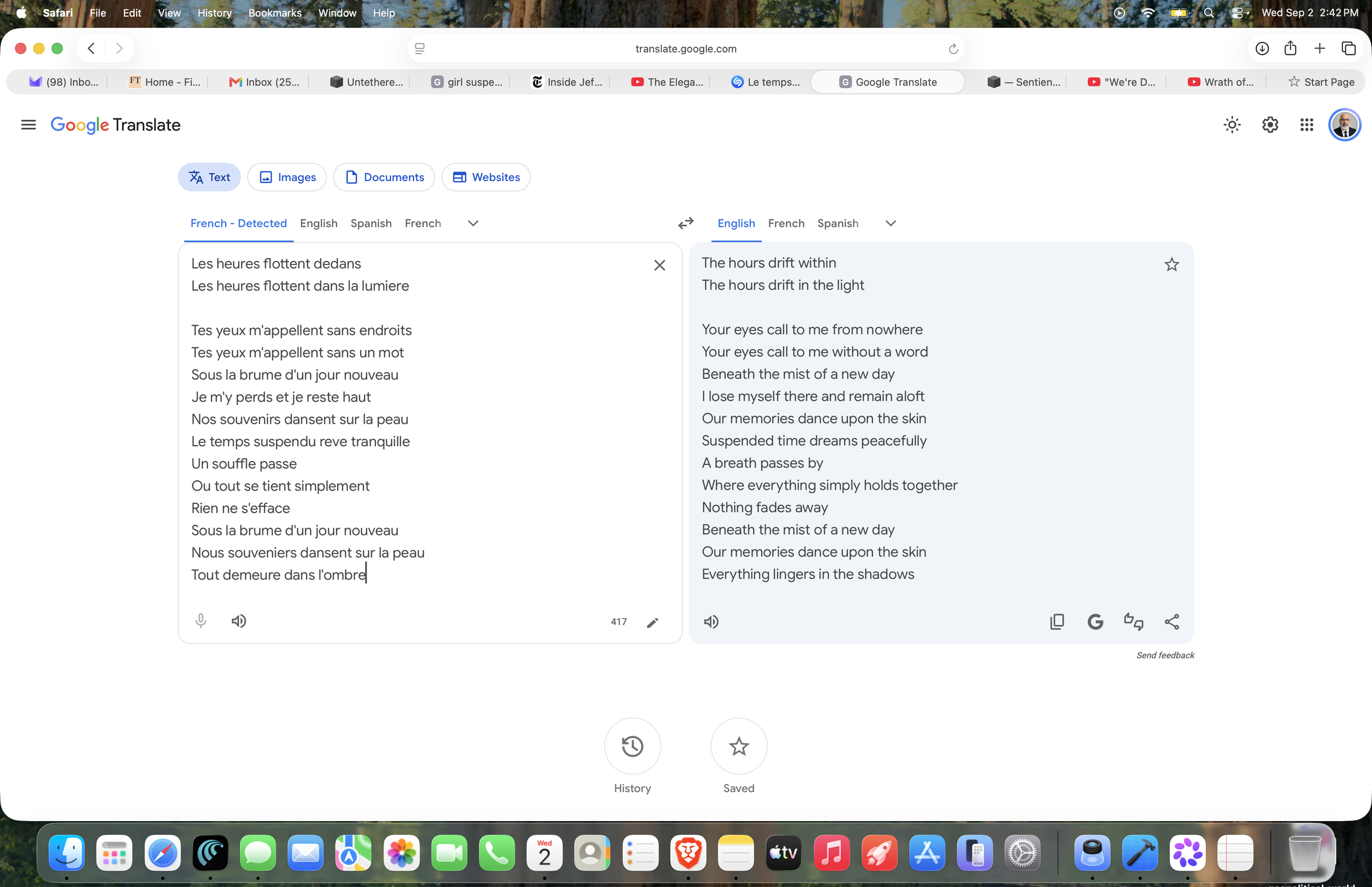
Le Temps Suspendu.
Maybe it was my pattern-seeking brain that showed up uninvited a few years back. Suddenly it began spotting odd echoes in the most split-apart things. That’s a different skill from the other voices that wanted me to type “thongs” instead of “things.” “Things” keeps it neutral; “thongs” drags in awkward comparisons about who’s more, uh, hung up than the other. Politeness prompts the thought, “Hungry?” — and no, I’m not offering a sock as a snack.
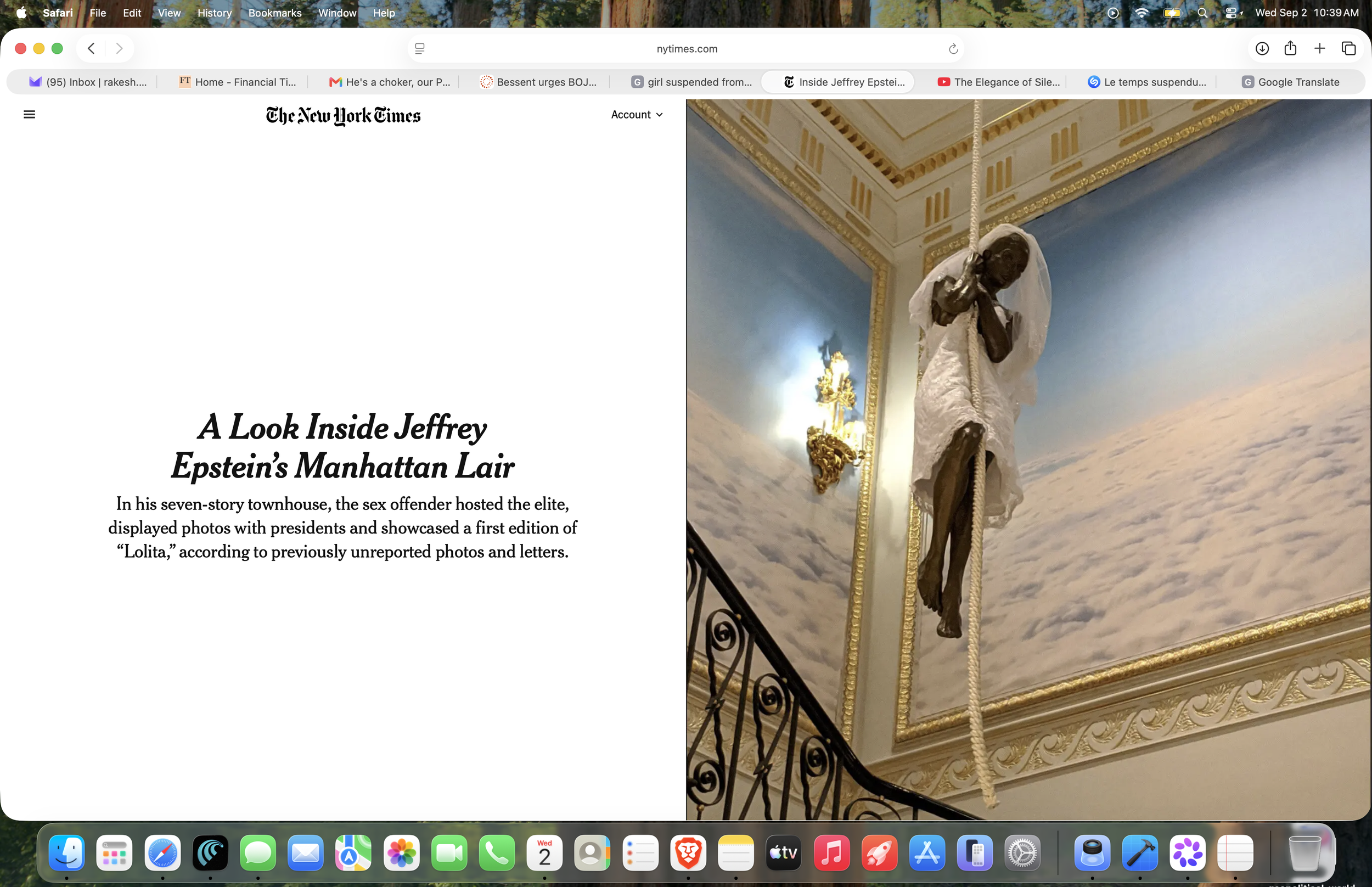
Hung Cao, who is Vietnamese by heritage, will be made the permanent SecNavy. Not that being Vietnamese is a religion. If I drop a reference to The New York Times here, you know what I mean, don’t you? If you do, isn’t that troubling for a paper that claims neutrality? It’s a problem long noted — predating Nixon — yet change is glacial. Stories percolate, weeds take root, weeds bloom into flowers that cross-pollinate into new plants. Ombudsmen get shown the door and more editors are hired. Reporters shift from digging to opining, filing Op-Eds instead of investigations. That isn’t decay so much as design. Despite intelligence briefings and coded reports, the paper’s trajectory acquires a particular tone that becomes recognizable even without naming names. That’s the real issue. Tell me you honestly have no idea what I mean. You do. You know exactly, and you’ve mentally shrugged and accepted it. What bargain did you strike with yourself?
In the Trump administration there’s an odd pattern of imagery — ropes and water, like a knotted sailor. Three words keep circling that evoke rope or choking: Hung, Hormuz, Tether.
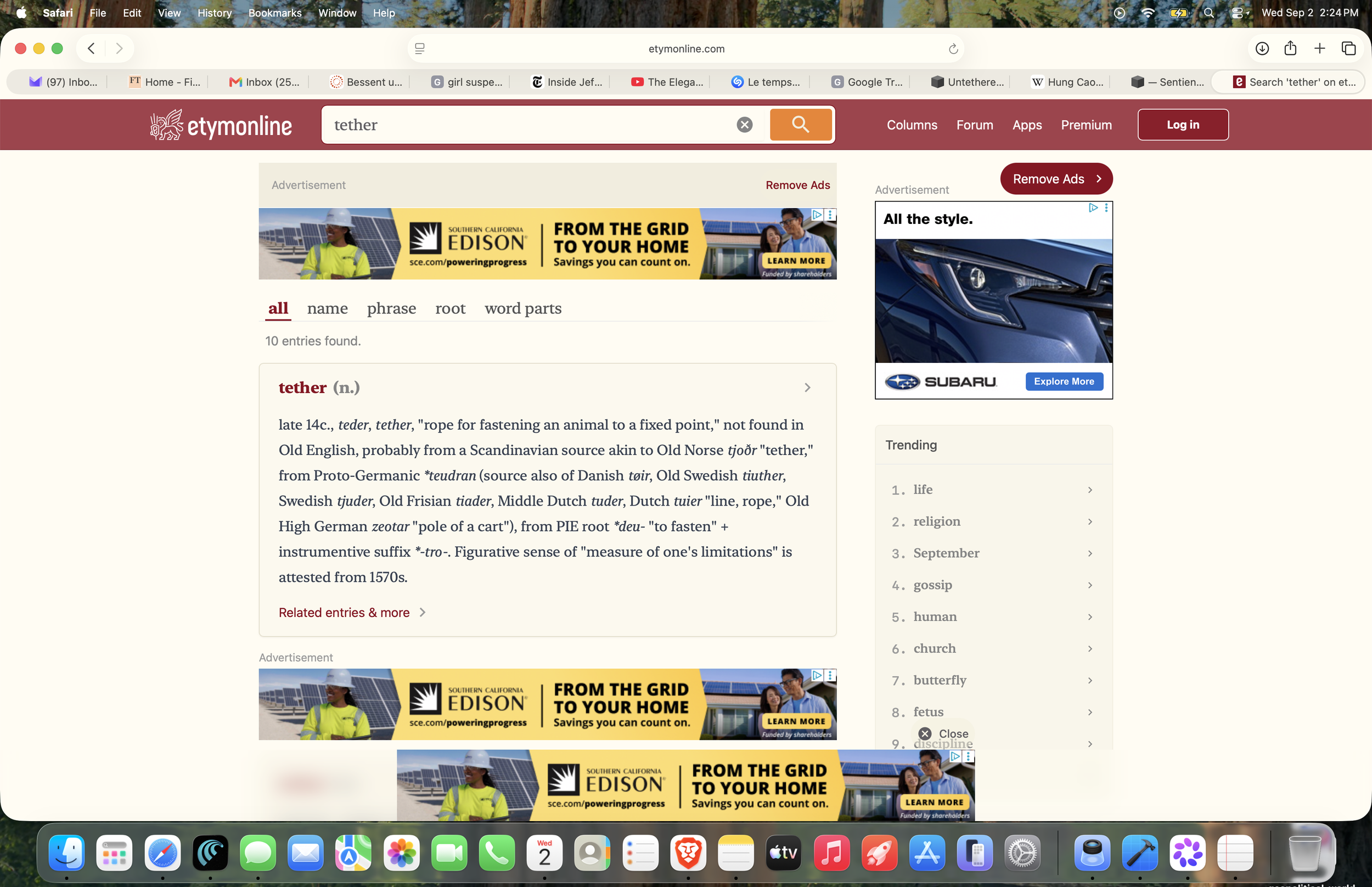
Or maybe it’s just me that sees these things and giggles. After all Hung could mean… hung, you know? And Hormuz was something no one predicted the Iranians would do, not even the best Generals of the Army. Hormuz as a choke point is not taught at West Point in freshman class. War planners don’t look at maps. I mean I could go on in more absurd fashion. And then there is Tether, from the
改寫並擴展:先前短文,內容涉及華人幫派支持與四位不受約束的華人億萬富翁。
在那片霧氣繚繞的都市邊緣,權力與金錢像密密麻麻的蛛網,交織出一張看不見卻緊緊束縛眾人行動的網。前一篇簡短的敘述只是掀開表面,現在要將故事的層次拉深,把角色的動機、聯繫與暗流一次抖落開來,讓整個局勢更為清晰也更充滿張力。
都市的心臟在深夜跳動,街巷裡藏著一個有組織的華人幫派。這個幫派並非單純以暴力為生,而是一個擁有複雜結構與多重利益的網絡:它控制著地盤、小型物流、地下賭局、以及一些合法外衣下的企業作為掩護。幫派的影響力滲透到市政小圈、夜市攤販與某些私營安保公司,成員間既有血緣也有利益聯盟,每個人都在利害關係中尋找自己的位置與出路。
與此同時,城中有四位華人億萬富翁,他們富可敵國、行事不受常規約束。這四人並非同一陣營,卻在風起雲湧的局勢中各自扮演關鍵角色。他們的資本、資源與野心,像四股暗流,或合、或分,改寫著街頭與高樓的命運。
第一位,是產業大亨出身的「科技寡頭」。他以創新與跨國並購起家,擁有從資料中心到人工智慧初創的龐大投資組合。看似走在全球化與合法化的最前線,他實則懂得將灰色地帶資金合理化:透過殼公司和信託,使得幫派的「需要」能被包裹成合法項目——一間物流公司、一個建設計畫、一項智慧監控的採購案。技術寡頭對於秩序有自己的想像:不是清廉的治理,而是由他設計的、能夠最大化控制與收益的新秩序。他的動機混合理性算計與對權力的私人癡迷,願意與幫派交易,只要報酬與影響力能夠相抵。
第二位,是以房地產帝國聞名的「地產大亨」。他掌握著城市裡大量可供開發的土地,以及與地方官員長年建立的政商網絡。他深諳「轉型區」的操作方式:低價買進老舊社區,透過重建計畫將其換成高端商辦或豪宅,從而把前方居民和小商販一掃而空。為了推動其開發案,他需要幫派在街頭製造或壓制抗議、控制工地與勞力來源。地產大亨的手段是現實主義者式的冷靜,願意用金錢買通人心或恐懼;他的野心同時是對城市版圖的改寫,一個以他名義命名的天際線。
第三位,是金融界出身的「投資操盤手」,擅長資本市場的遊戲。他的資金流動迅速,即使在全球市場震盪時也能透過衍生性商品與影子銀行的安排把資金轉為高槓桿回報。投資操盤手的幫派關係較為隱蔽:他透過洗錢、複雜的現金轉移與匿名信託把非法收益合法化,同時提供幫派在國際交易中的金融通道。對他而言,幫派是一張可以被動員的信用憑證——只要這張憑證能帶來流動性和高息回報,他便會出手。他
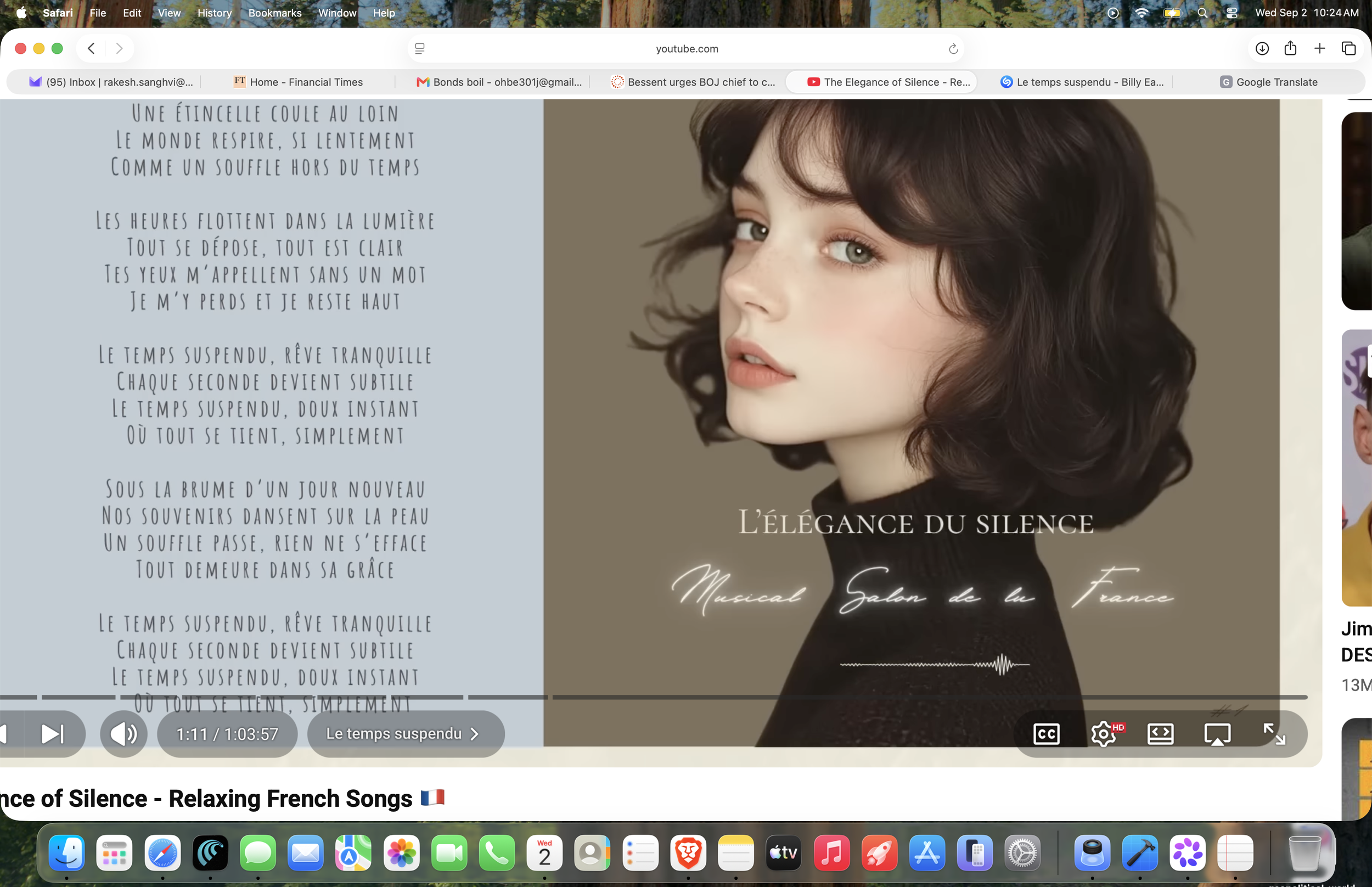
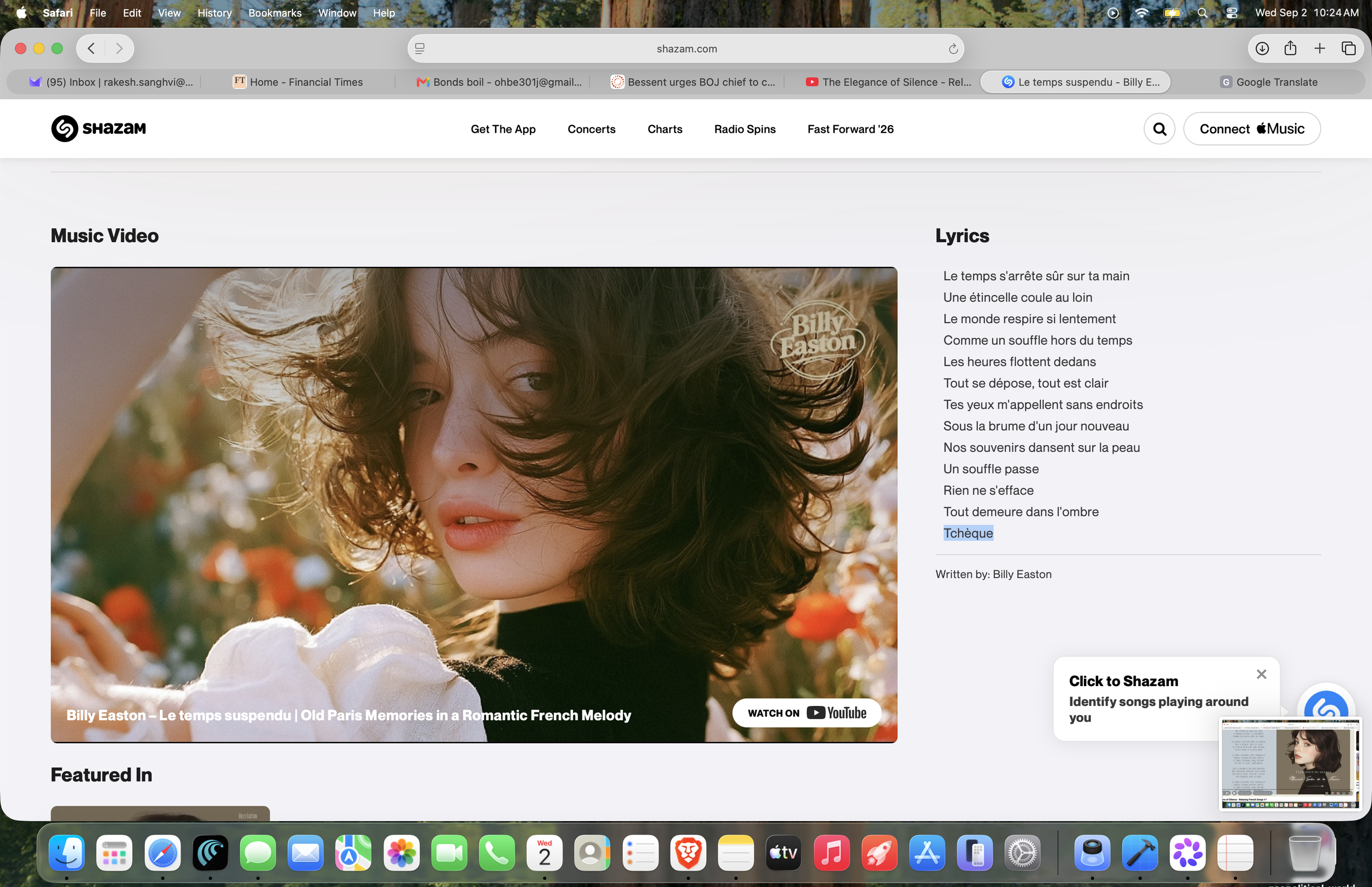
What? Le Temps Suspendu just showed up on YouTube. And the lyrics didn’t match at either site.
https://translate.google.com/