PODCAST: The first satirical audio coverage…
Before we release these two new broadcasts - 10 minutes or so each, we must pause to solemnly recognize the grave and tragic human consequences of American foreign and military policy worldwide. While we employ sharp satire to expose the contradictions of those in power, we do so with a heavy and constant awareness of the real-world devastation behind these headlines. The critical depletion of advanced air defense and ballistic missiles discussed in these documents is the direct result of massive, active military campaigns. The continuous supply of heavy U.S. munitions for intensive aerial bombardments in Gaza, as well as strikes and escalations in Iran and Yemen, has claimed thousands of civilian lives, shattered families, and left entire communities in ruins. The political, military, and intelligence figures we mock are the direct architects of this profound global suffering.
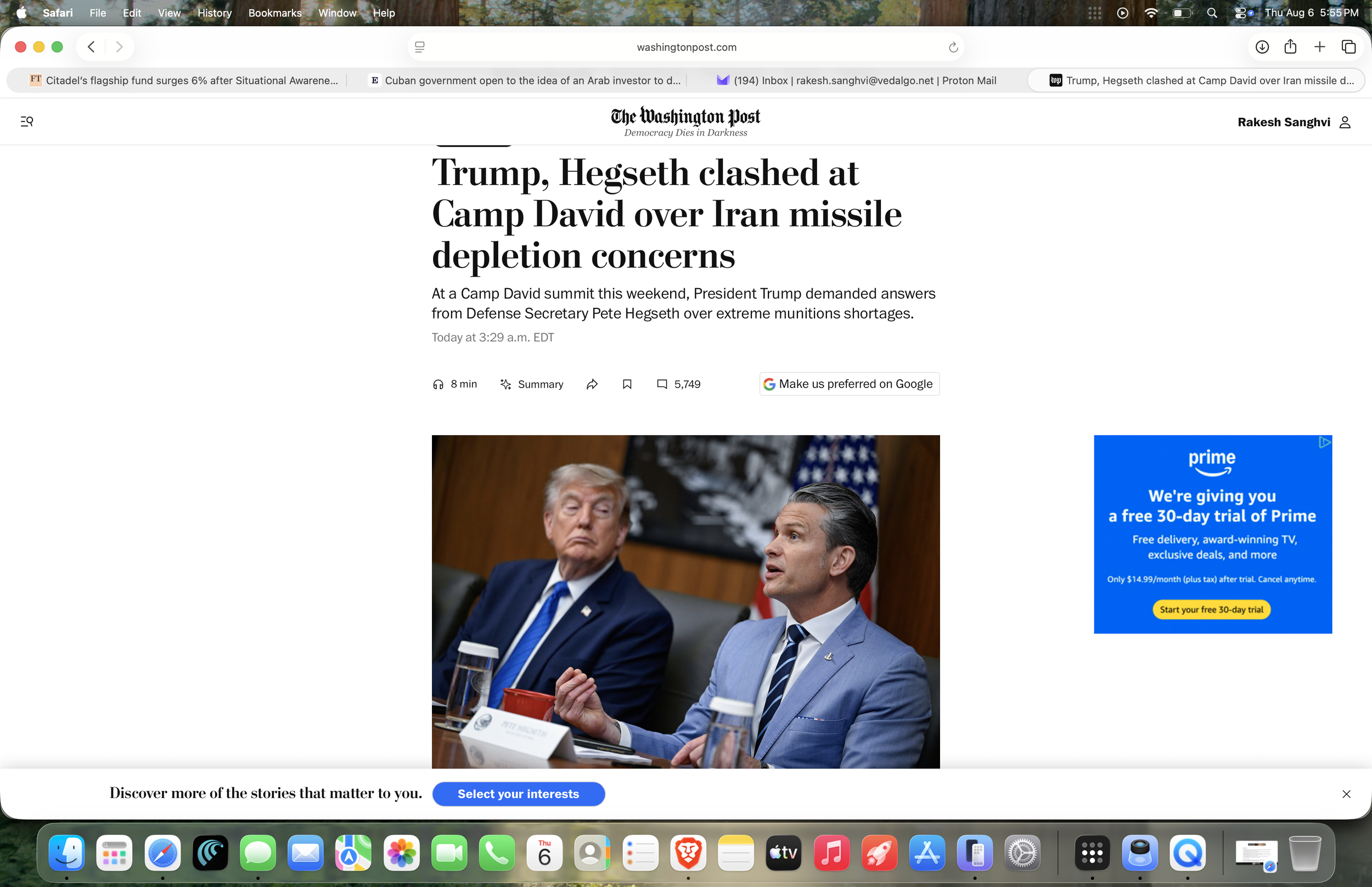
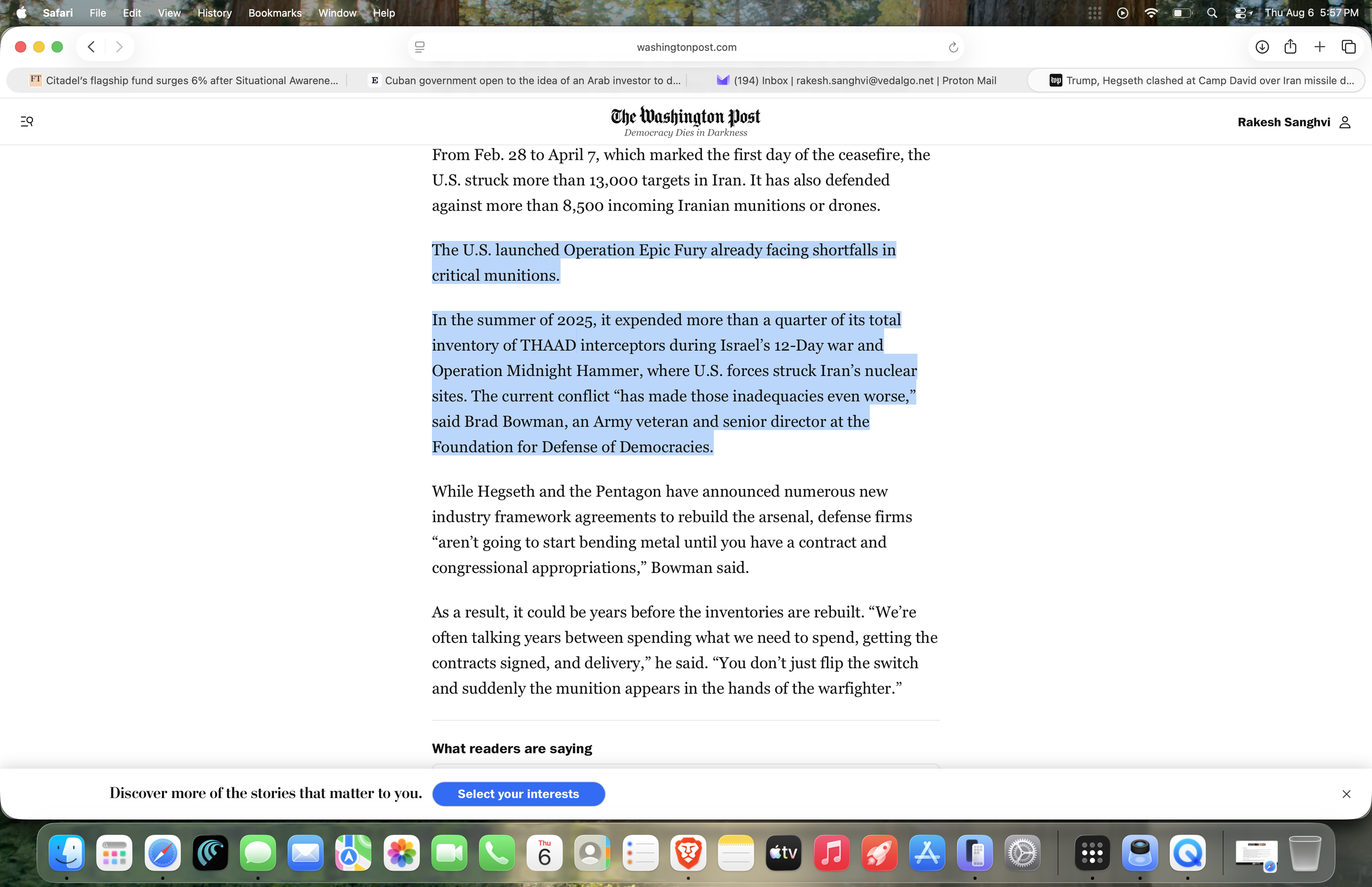
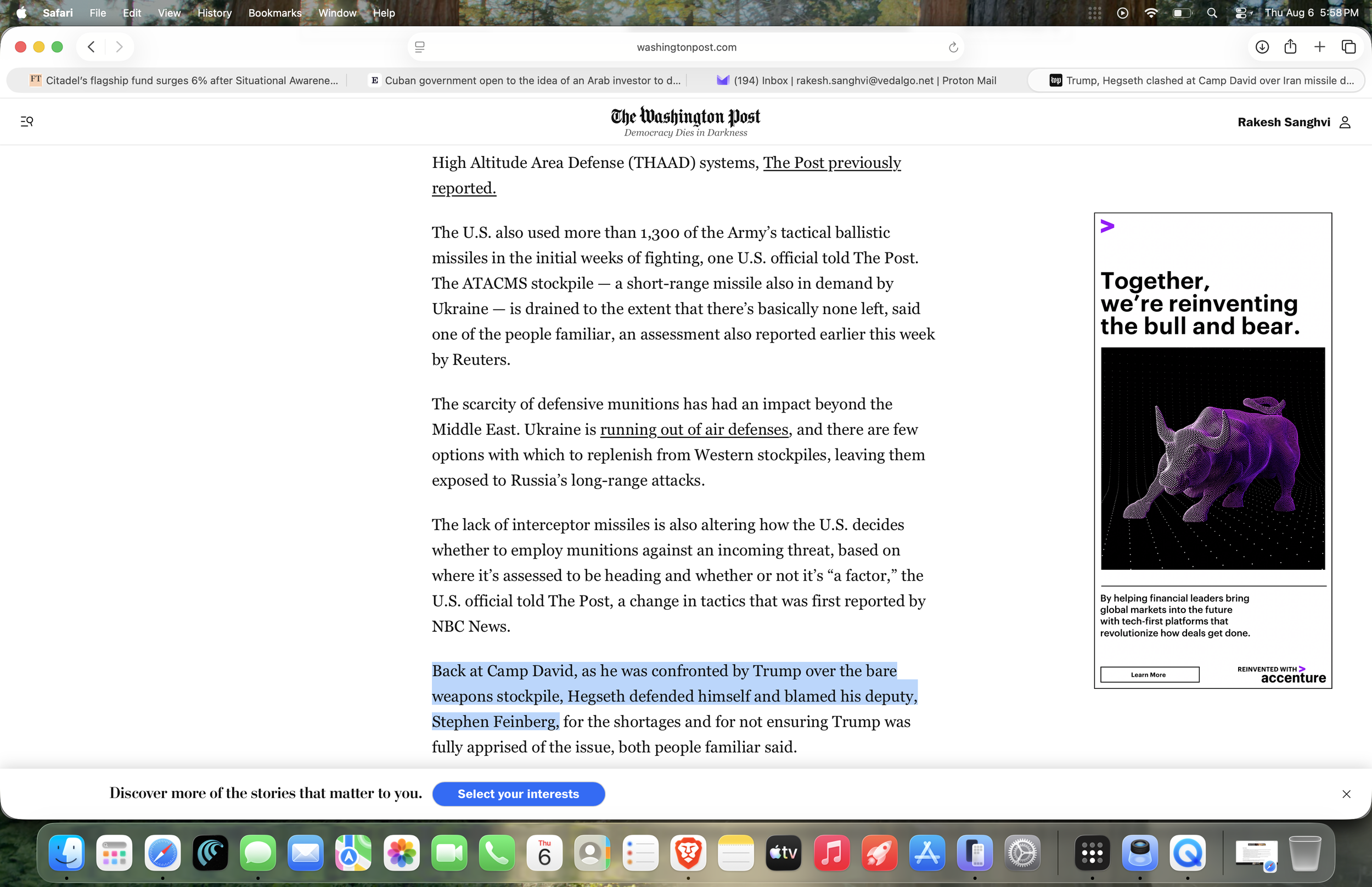
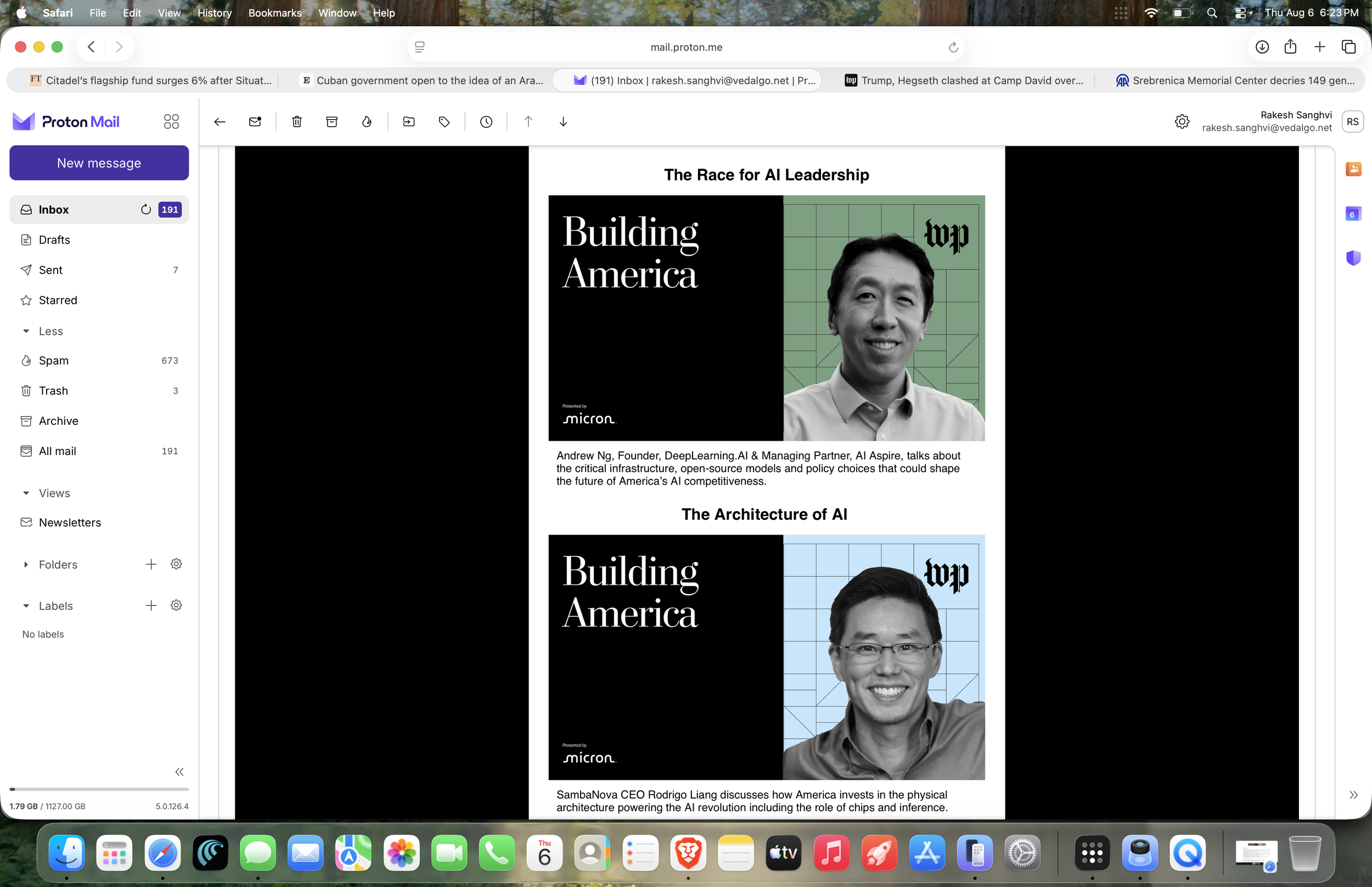
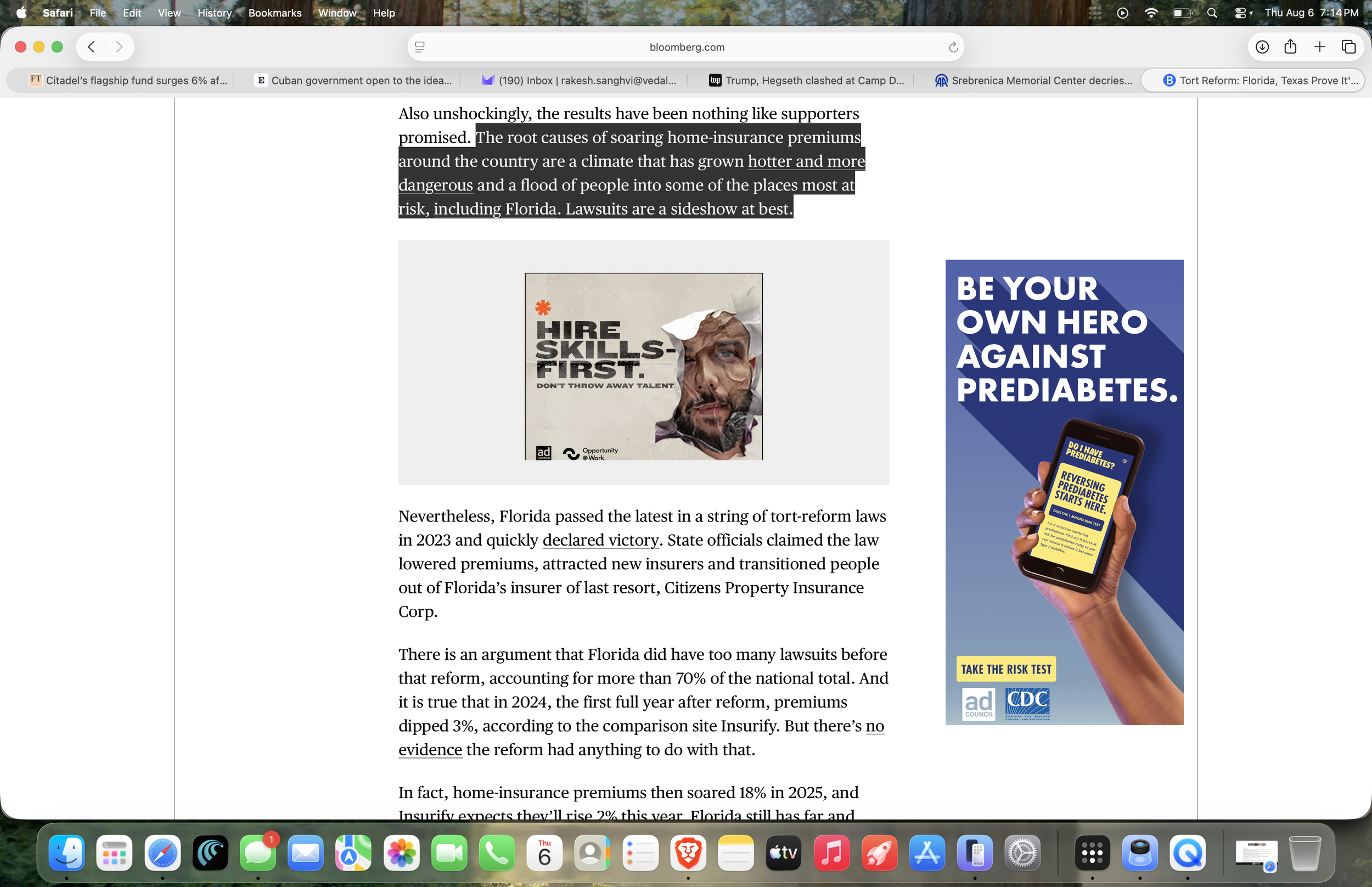
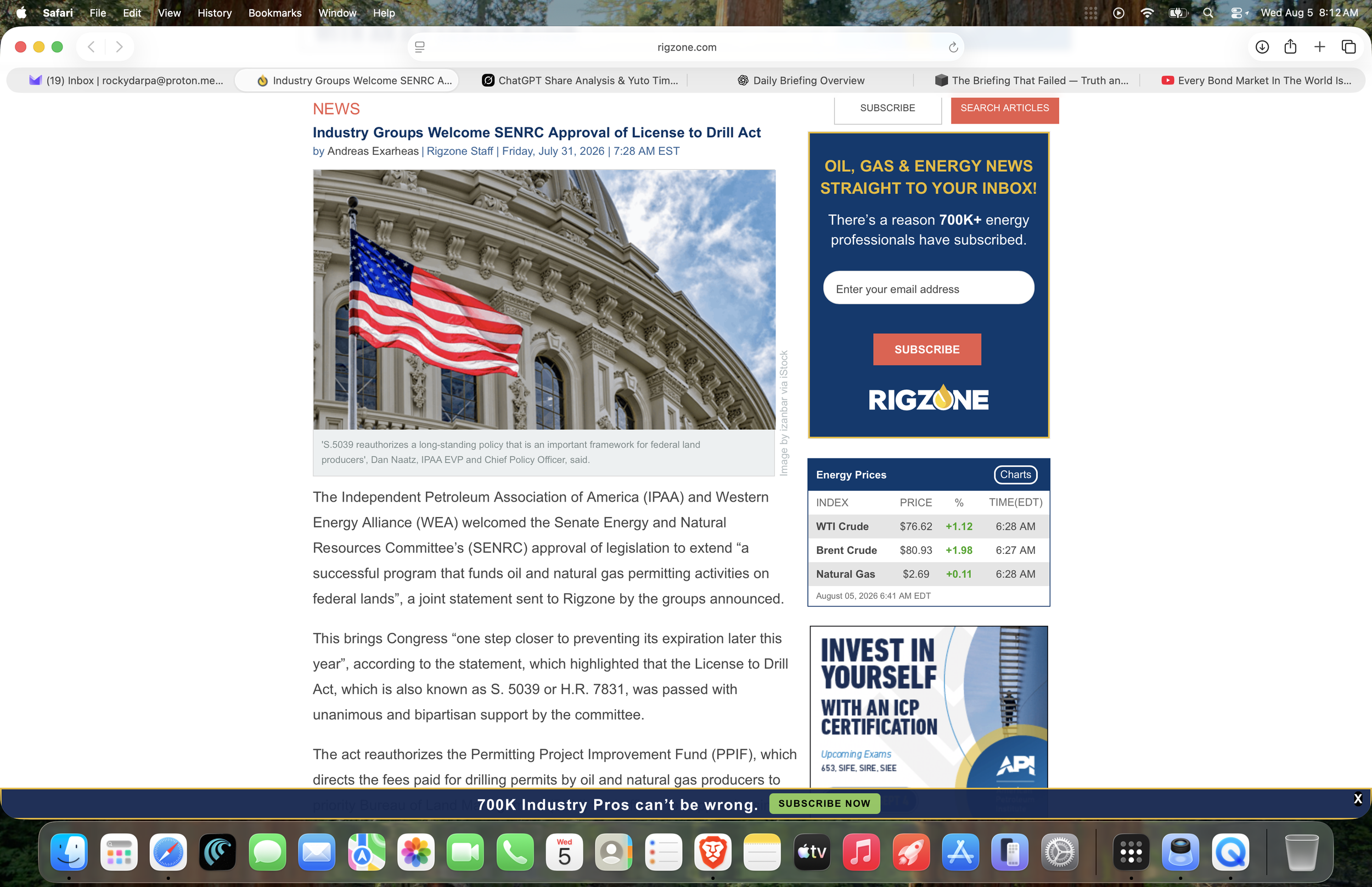
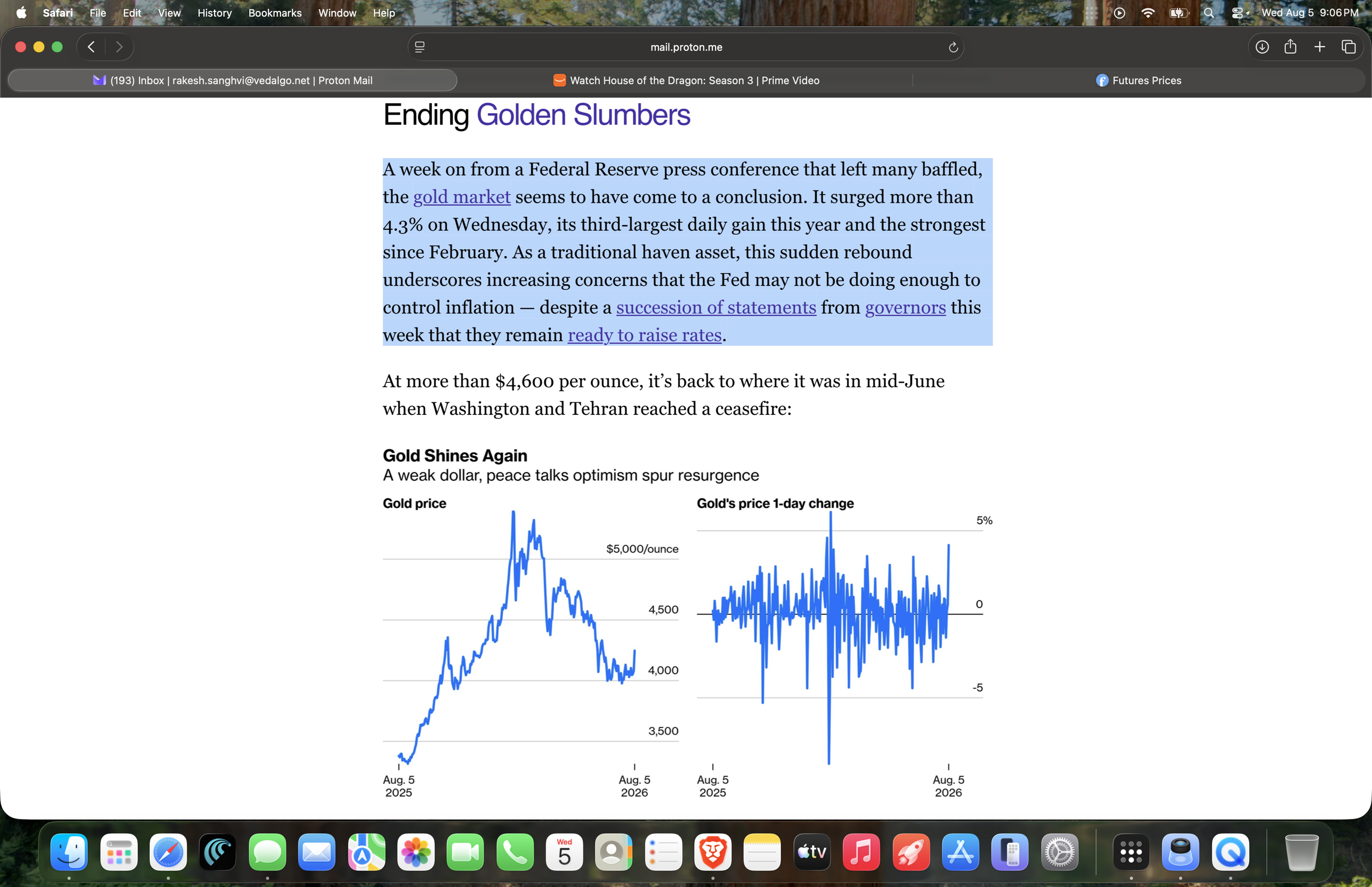
We are also providing the screenshots as proof that this is not simply something we made up.
The following is a SquareSpace AI creation.
Hegseth and Feinberg both graduated from Princeton — which helps explain their knack for complex strategic thinking, impeccable timing, and the occasional tendency to argue with imaginary equations. Fun fact: Princeton also hosted the filming of A Beautiful Mind, the acclaimed movie about mathematician John Nash — the only real difference being Nash was tackling cryptic mathematical problems while Hegseth and Feinberg are busy tackling the much lighter mystery of who misplaced the remote.
Three grad students sit in the dim corner of a bar, textbooks and empty napkin-wads acting as coasters for their beers. The jukebox plays something vaguely pretentious. A beautiful student enters—blazer, hair like she knows perturbation theory, and a confidence that makes the bar's fluorescent lights look insecure.
Sam (game theory), Mei (experimental physics), and Javier (comp-sci) register the same gravitational pull. Their eyes dart. Hands twitch toward their phones to do something clever. Mei whispers, "She’s at table three. If one of us goes over, the rest should …"
Sam cuts her off with the kind of smile that has solved more paradoxes than it’s caused. "No," he says. "We don’t play chicken. We coordinate. Nash equilibrium, gentlemen."
Javier, polishing a pencil like it’s a sword, asks, "Define the payoff matrix."
Sam scribbles on a napkin. Rows and columns for each of them: Approach, Wait, Pretend to Be Deep in Thought. Payoffs: high for the one who approaches and wins a conversation, medium if you wait and she leaves with a stranger, low if all approach and it becomes a sweaty three-way of interruption.
Mei taps a fork on the table. "We could alternate. Round-robin approach every five minutes."
"But then signaling becomes noisy," Sam says. "If two approach at once, everyone's payoff collapses. We need a stable strategy—no unilateral deviations."
They agree on a protocol: a synchronized countdown on their phones; whoever’s number modulo three equals the minute steps up. They call it "epic fairness." They announce it loudly to cement credibility. "If any of us deviates," Mei adds, "we agree to compensate by buying the others a beer. Reputation matters."
They rehearse. Sam practices a charming opener about eigenvalues. Mei prepares a casual spill-and-compliment maneuver. Javier codes a tiny app that vibrates only for his assigned minutes. It's absurd, meticulous, and oddly romantic in its logic.
At minute two, a waitress trips—she drops a tray of wings toward their table. Instinct kicks in. The napkin projection flutters like a white flag. Two of them lunge; one freezes, watching his phone. The wings scatter; everyone helps pick up sauce-slick napkins while the beautiful student laughs at the chaotic camaraderie. None of them make the approach according to protocol. The equilibrium is tested—and diplomacy triumphs over algorithm.
They write up the incident on the back of a coaster as "The Wing-Triggered Nash," award themselves beers, and decide the system needs a clause for punctuated surprises. They never quite tell her about their plan. Later, she compliments their joint napkin-work and asks if they play in a band. Sam says, "We play instruments called 'regret minimization.'"
How this mirrors "depleted munitions" and the rest of the odd footnotes
Nash equilibrium as depleted resources: Just like depleted munitions reduce available options in a battlefield—forcing combatants to adapt—the bar scenario shows how limited social capital (time, courage, reputation) constrains strategies. Each grad student’s willingness to approach is a resource that, if expended all at once, yields a poor outcome. The Nash solution preserves resources by stabilizing behavior: no one gains by unilateral deviation.
Intricate planning and impeccable timing: Both the fictional bar scene and a well-executed military operation rely on coordinated timing and contingency planning. The students’ synchronized countdown and Javier’s vibrating app mirror the disciplined timing required when munitions are scarce—choose the right moment to strike, or not strike at all.
Sparring over hypothetical formulas: Grad students spar with equations as soldiers spar with tactics. The bar’s napkin payoff matrix is the academic world’s version of a mission brief—hypothetical models used to guide messy human behavior. The sparring is intellectual rehearsal for high-stakes decisions, just as simulations are practice for real shortages.
A Beautiful Mind at Princeton and the chaos of missing things: The line about A Beautiful Mind being shot at Princeton is a nod to Nash’s real-life genius and eccentricities. Nash wrestled with deep theory and fragile human moments. That juxtaposes neatly with Hegseth and Feinberg’s "epic quest to recover the missing remote"—a trivial quest blown into operatic importance. Both stories—Nash’s mathematical wrestling and a silly remote hunt—are about human meaning-making amid disorder: we assign strategy, narrative, and ritual to minimize regret and restore control.
Depleted munitions episode as meta-commentary: In a world with dwindling resources (be they bullets, beers, or social capital), human behavior shifts toward careful coordination and fallback rules.
Princeton University: where intellectual rigor meets relentless ambition. If you want to join a community that doesn’t just discuss big ideas but invents them, this is the place.
Why Princeton?
Elite academics, personalized mentorship. World-class faculty teach small seminars and guide undergraduates through original research from day one.
Unmatched resources. Libraries, labs, funding, and interdisciplinary initiatives give students the tools to turn curiosity into breakthrough work.
A network that opens doors. Alumni lead industry, government, academia, and the arts—connections that accelerate careers and amplify impact.
Campus that inspires. Historic Collegiate Gothic architecture sits beside cutting-edge facilities on a verdant, focused campus that fosters concentration and creativity.
Financial accessibility. Princeton’s need-based aid removes financial barriers so admitted students can attend without debt obligations.
Leadership and outcomes. Graduates leave prepared to shape policy, build companies, publish influential research, and lead institutions worldwide.
Who thrives at Princeton?
Driven learners who want deep mentorship and the freedom to pursue original projects.
Innovators who value cross-disciplinary collaboration.
Leaders who want a rigorous intellectual foundation and a powerful network.
What Princeton promises
A transformative education tailored to ambitious scholars.
Access to top-tier resources and mentorship.
A lifelong community that accelerates influence and achievement.
Choose Princeton if you want to be challenged, supported, and positioned to change the world. Apply to join a university that expects excellence—and delivers the means to achieve it.
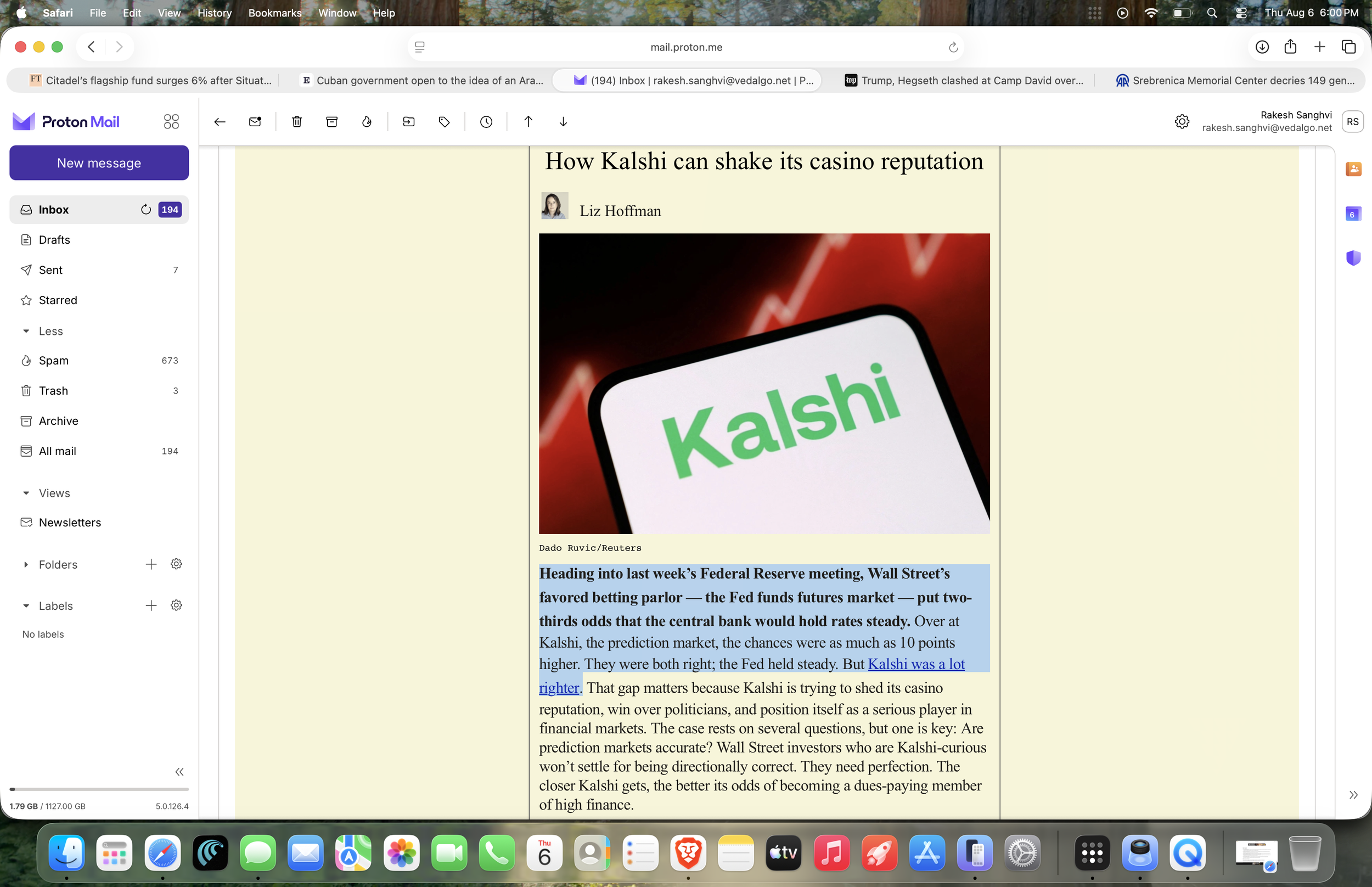
Oh absolutely — because nothing screams market efficiency like a motley crew of individual speculators outsmarting the combined genius of the crystal-clear, totally infallible price-discovery mechanisms on Kalshi. After all, why trust market prices when you’ve got message-board prophets and Twitter seers who apparently see into Kevin’s very soul?
Let’s unpack this flawless reasoning:
Kevin graduated from Stanford and Harvard, which obviously confirms he’s part of some exclusive, omniscient cabal that we mere mortals can predict with the accuracy of weather forecasters using a Magic 8-Ball. Diplomas are basically psychic licenses, right? Two diplomas: double the clairvoyance.
Individual speculators routinely demonstrating superior foresight to aggregated institutional capital, professional analysts, and market microstructure? Totally believable. Ignore decades of research on information aggregation and market liquidity — those are just quaint historical footnotes.
Of course these lone wolves have privileged access to Kevin’s internal monologue. Because nothing says “privacy” like the existential transparency bestowed upon graduates of elite universities. Kevin’s next move? Predetermined, tattooed on the inside of his résumé, and live-tweeted by online prophets.
Let’s also appreciate the sheer practicality here: coordinating a consensus among hundreds, maybe thousands, of amateur bettors to outmaneuver traders who have entire teams, data feeds, risk models, and compliance officers. Sounds like a challenge, but hey, nothing motivates victory like hubris and Reddit threads at 2 a.m.
And when the inevitable variance hits — prices swing, unexpected information arrives, and fortunes flicker — it’s obviously the market that’s wrong, not the handful of self-assured speculators who patented the art of hindsight. After all, markets love being contradicted by confident opinions.
So yes, absolutely. Rely on the unerring judgement of individual speculators to do what centuries of market learning, institutional oversight, and financial modeling somehow cannot. It’s practically the new standard in economic theory: replace complex models with vibes and alumni bragging rights. What could possibly go wrong?
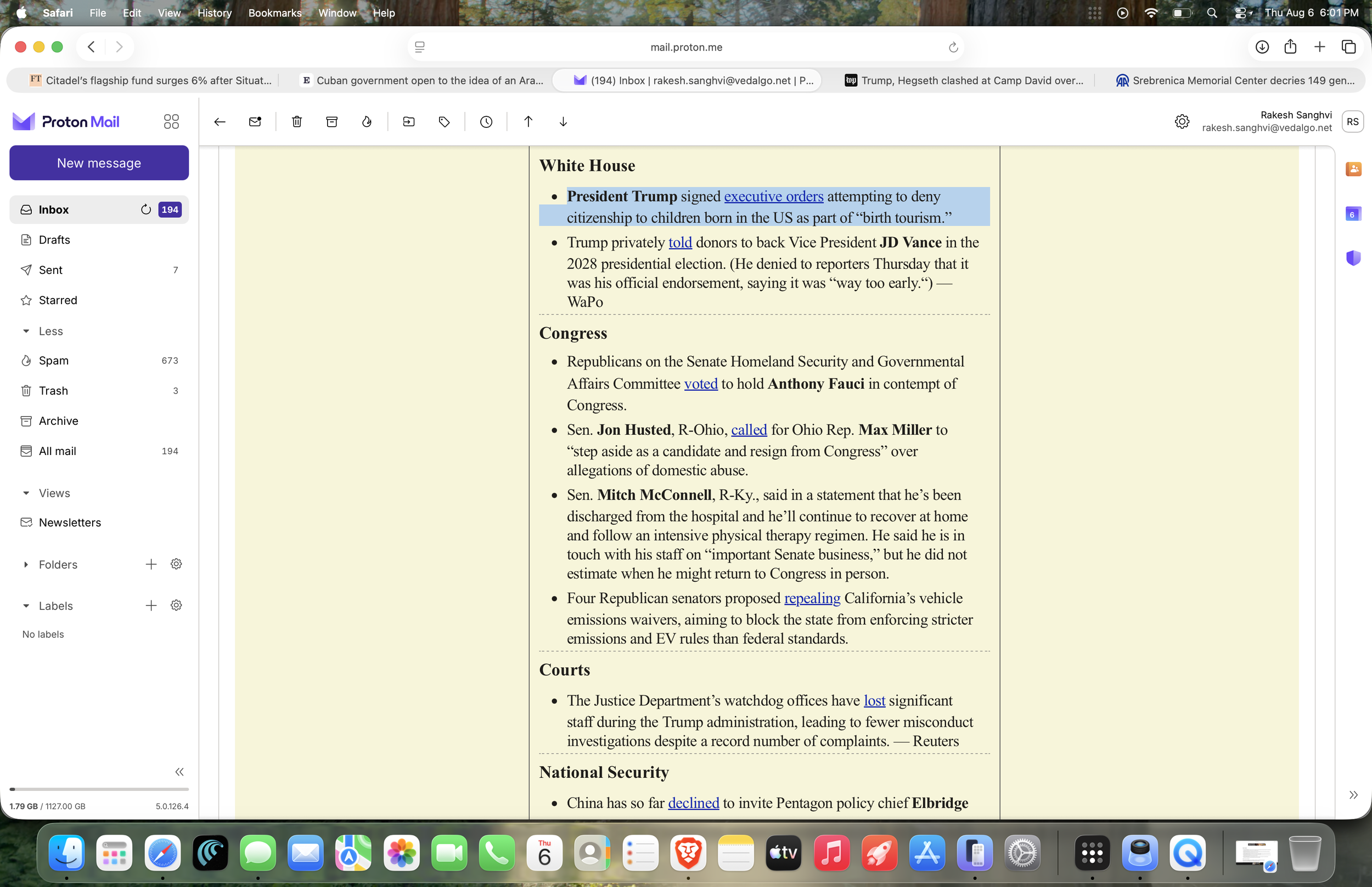
Do you want sarcasm on this one?: Not to take a Supreme Court order lying down, the Supreme Leader has now issued his final ruling: terrorists and international diplomats cannot have children in America according to an Executive Order signed by Trump.
Sure — a dry, sophisticated sarcastic take:
Oh good — because what America really needed was a presidential decree on reproductive eligibility, issued between executive lunch and America's next televised moral panic. Why bother with courts, legislatures, or international law when a single signature can magically rewrite citizenship and family planning? It's comforting to know that complex questions about due process, human rights, and diplomatic immunity can be resolved with the same efficiency we use to decide fast-food promotions.
Bonus practicalities: How do you define "terrorist"? Is it based on charges, convictions, or uttering the wrong slogan at the wrong time? And "international diplomats" — do we recategorize every consul who's ever hosted a reception in D.C., or only those who refuse to RSVP to the State Department's mandatory etiquette seminar? Will there be a government hotline where agents evaluate prospective parents' political résumés? The bureaucracy writes itself.
Let's not forget the geopolitical perks: imagine the summit room when foreign ministers learn their staff can't start families here. Nothing says "productive diplomacy" like threatened family separation. Expect reciprocal measures, an uptick in asylum applications, and a global op-ed frenzy explaining how this is actually rooted in "protecting American values."
Finally, the logistics: are newborns born on U.S. soil now subject to instant background checks? Will delivery rooms be guarded by DHS agents with checklists? Or perhaps the order includes a clause granting the President the power to veto midwifery licenses at will. Either way, it's reassuring to live in an era when executive creativity fills every legal and ethical void.
In short: when rulemaking becomes headline-driven theater, the real casualties are consistency, the rule of law, and anyone hoping their family choices won't become a geopolitical chess piece. Welcome to the new administrative playbook — signed, sealed, and utterly bureaucratic.
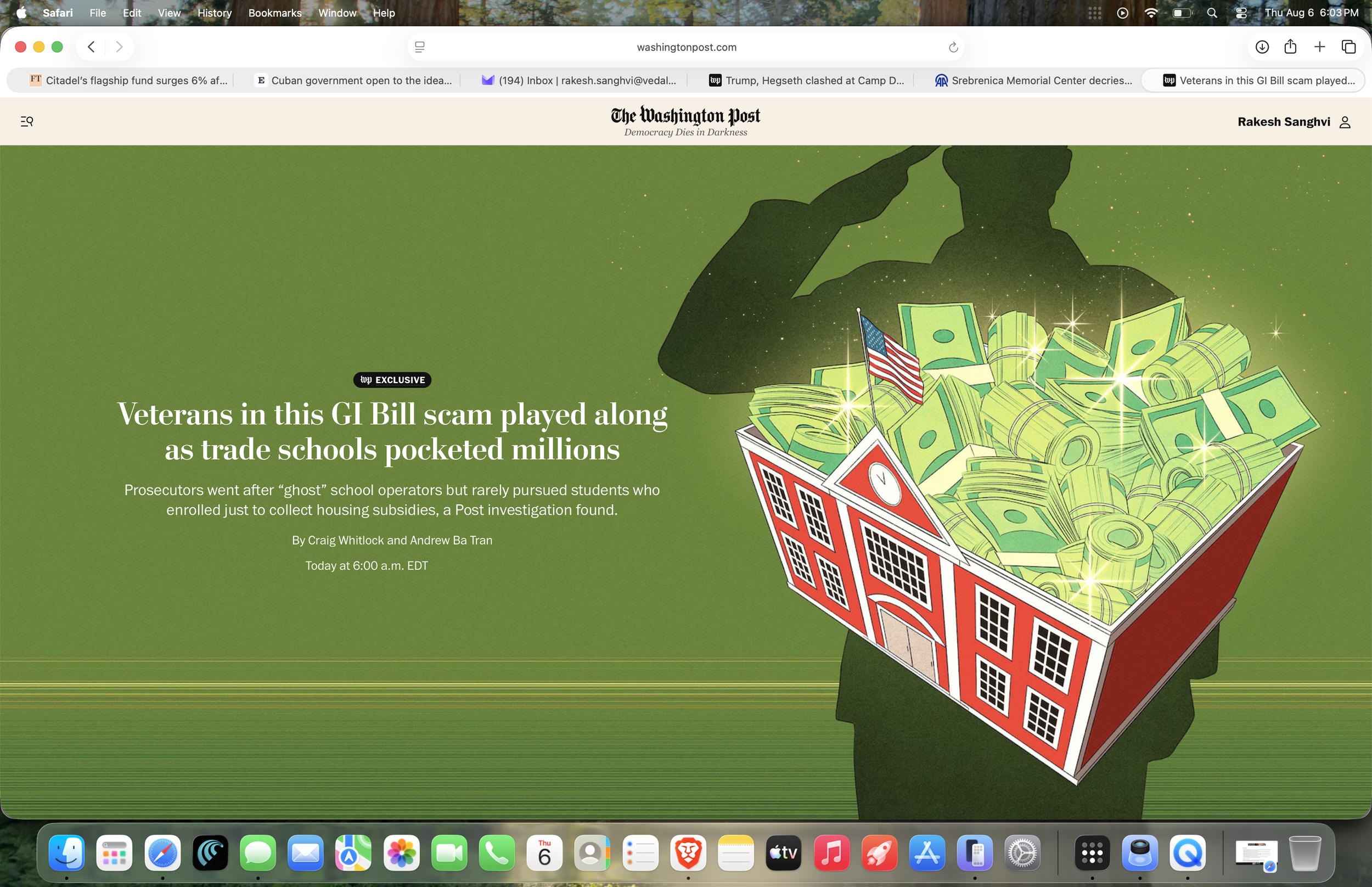
Apparently vets enrolled into schools, didn’t do much, lol, and pocketed 3K per month. Hooah.
Unwavering, clear-eyed, and uncompromising: Truth and Trust Have No Value exposes the financial world’s quiet rot with the precision of a scalpel. This searing investigation peels back layers of corporate rhetoric, regulatory theater, and fabricated metrics to reveal how institutions monetize opacity and sell confidence as product. Equal parts reportage and moral reckoning, the book traces the tangled alliances between executives, auditors, and policymakers whose incentives warp markets and hollow out public trust. For readers who demand clarity over comfort, this is a necessary, elegantly written wake-up call—one that reevaluates what we value, why we believe, and what it will cost to rebuild a financial system that deserves trust.
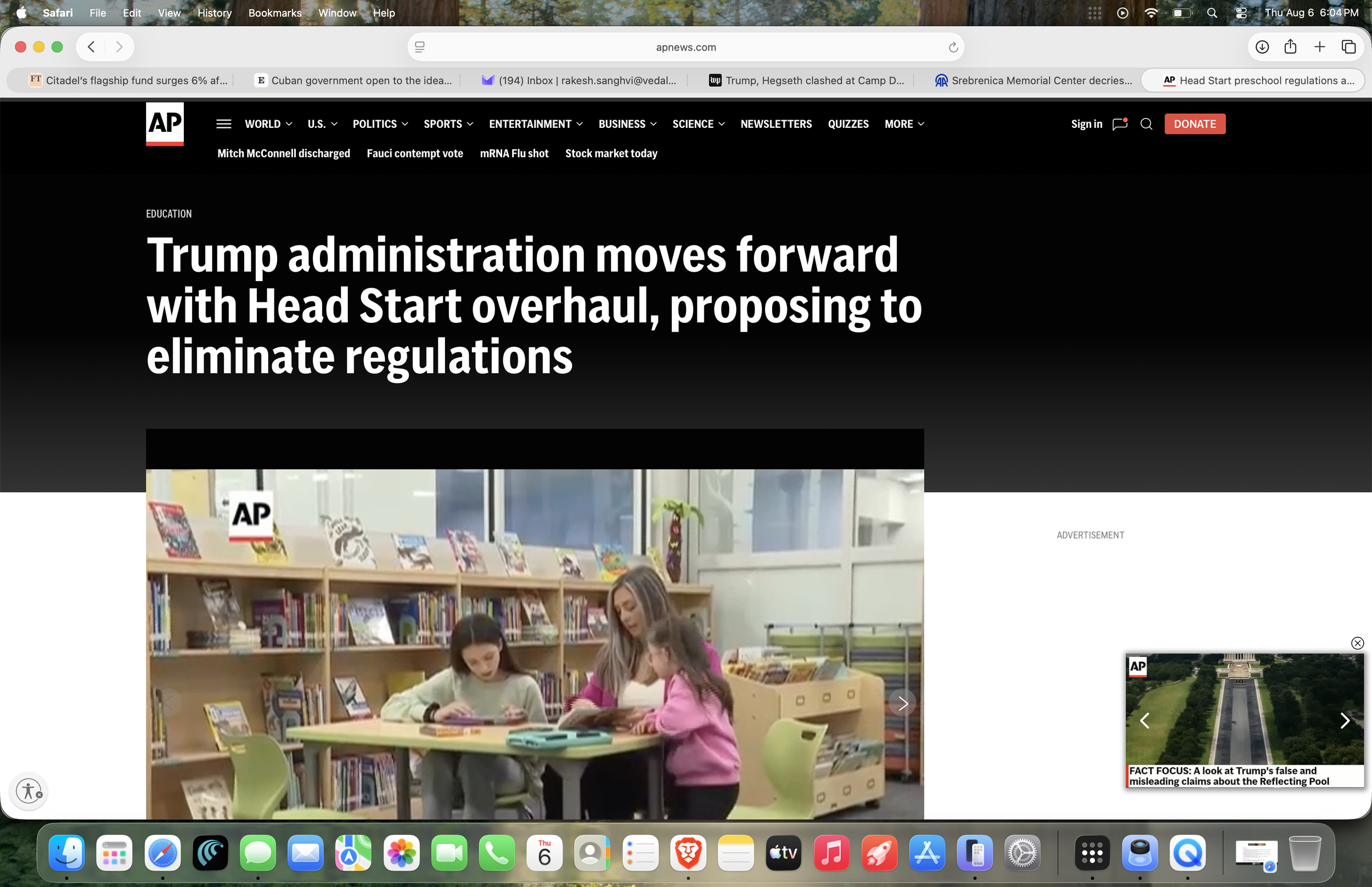
This is not a Daylight Savings Time joke.
Birthright citizenship is treated like the base mess hall’s bottomless gravy — automatic, messy, and loudly claimed by anyone who manages to stumble through the gate; Head Start is the tactical pre-op school where tiny recruits learn to color-code their nap times and decode the enemy alphabet before kindergarten deployment; and veteran education is the after-action report rewritten in crayon, where the brass promise retraining that sounds like a promotion while the sergeants quietly pass out civvy-school brochures and a thermos of “we’ll see.”
You seem to want to say some more. Go for it.
Say it without dressing it up. Say the truth as you see it — blunt, careful, precise. Don’t shelter your sentences in euphemism or hedge them with excuses. Let clarity be your courtesy.
If you’re nervous, name the fear. If you’re angry, name the grievance. If you’re proud, state the achievement. Specifics are muscles: use them. Avoid abstractions that float without anchors. Replace “things” with the actual things. Replace “people” with the people you mean. Replace the passive voice with an accountable subject.
Write for the person who needs to hear it, not the person you imagine will applaud. Trim the rhetoric that exists only to cushion a reaction. Respect the reader’s time: one clear, well-chosen sentence beats five vague ones.
Structure matters. Lead with what you must be heard for. Follow with the evidence — a fact, an example, a brief story. Close with what you want the reader to do, think, or feel. End with a line that won’t be easily forgotten.
Tone is not ornament; it’s strategy. Match it to the consequence. If this is a correction, be firm and humane. If it’s an invitation, be warm and specific. If it’s a confession, be direct and take responsibility.
Edit like you mean it. Cut adverbs. Prune qualifiers. Read the sentence aloud: if it hesitates, so will your reader. Replace timid verbs with decisive ones. Let every word earn its place.
If you still want to say more after that, say how it changes something—what will be different because you spoke. That is what turns words into action.
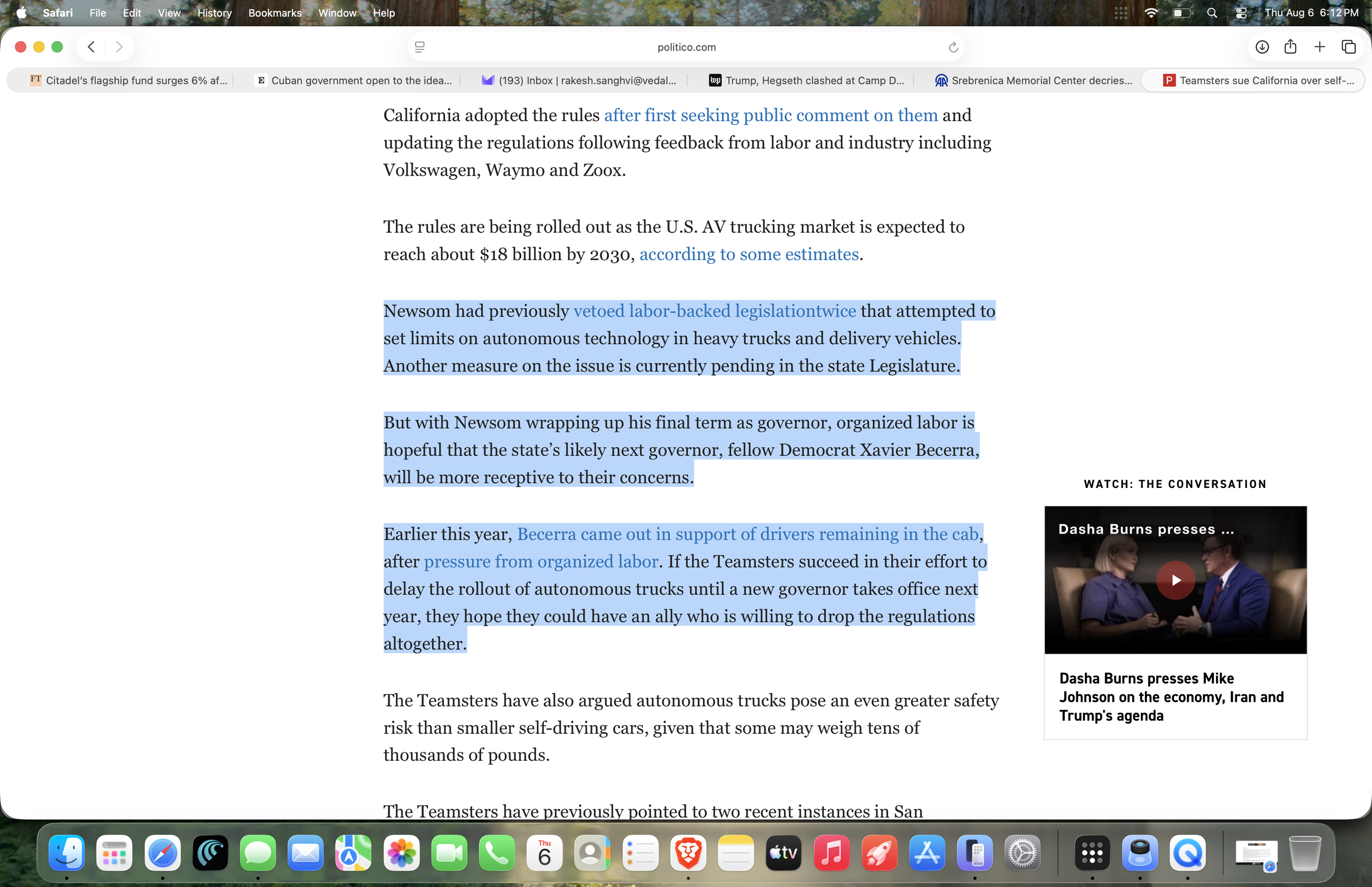
Only Squarespace could make a politician look like a brand: Newsom talks like a Democrat, votes like a tech bros’ patron saint. Not much love for labor, lots of love for driverless cars and trucks. Choices, right? Big ones—and he picks Silicon Valley’s.
California Governor Gavin Newsom is betting on autonomy to reshape the state’s roads and economy. As autonomous ride-sharing fleets and driverless trucks edge from pilots to highways, policymakers face a singular challenge: harmonizing innovation with public safety, labor transitions, and equitable access. Proponents promise fewer crashes, lower emissions, and round‑the‑clock mobility; critics warn of displaced drivers, regulatory gaps, and concentrated corporate control. The near future will be defined by hybrid lanes where human drivers and autonomous vehicles negotiate space, new licensing and insurance norms, and workforce retraining programs that determine whether displaced drivers find dignified alternatives or are left behind. If governed thoughtfully, California can become a global model—leveraging driverless trucks for efficient goods movement while using autonomous ride-sharing to expand mobility for underserved communities. If mishandled, the promise of autonomy risks deepening inequality and eroding trust in public institutions. The path forward depends less on technology than on policy choices that balance innovation, safety, and social responsibility.

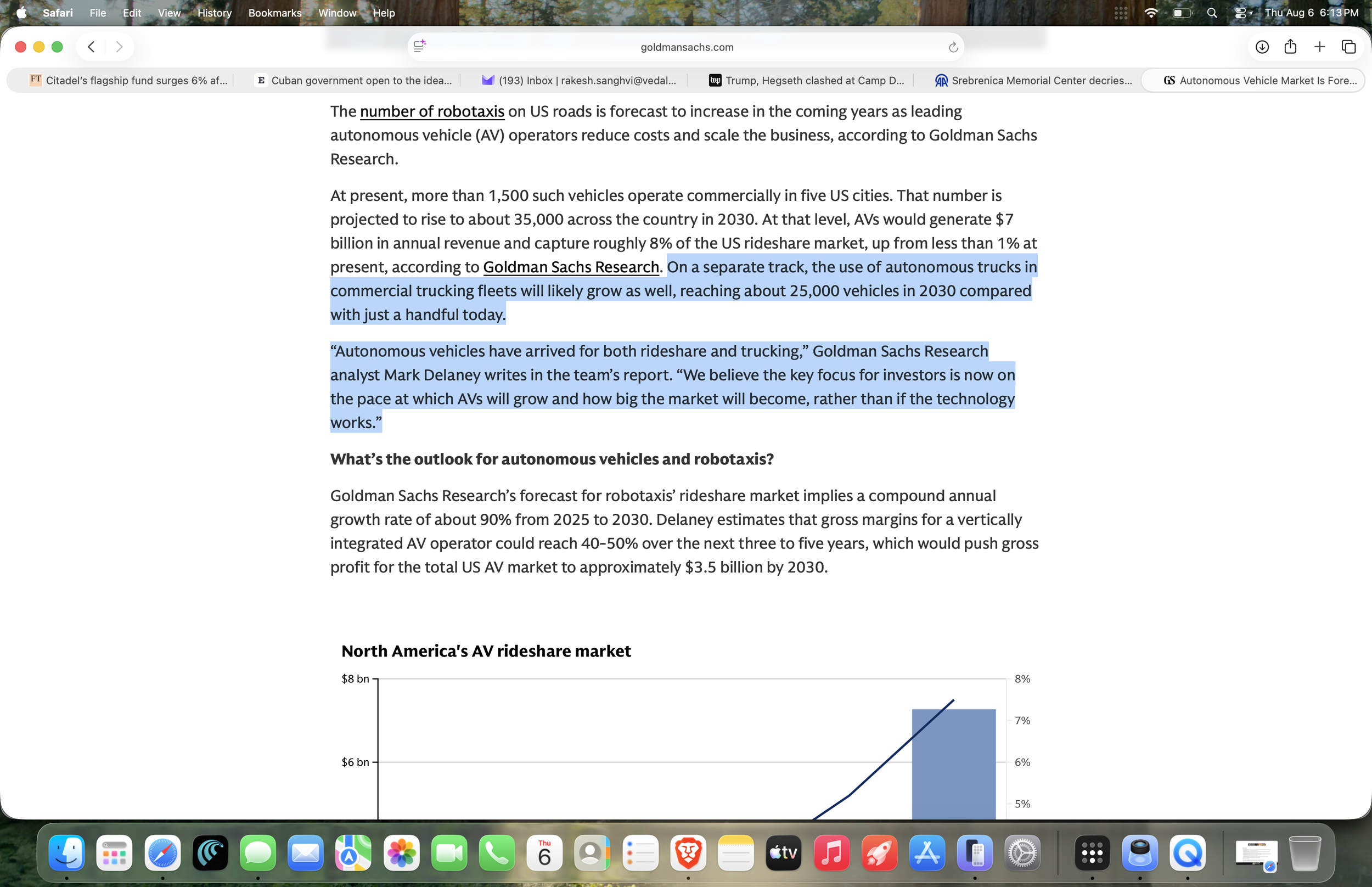
Meanwhile at Goldman Sachs Research…. they have not heard of robbing jobs from Drivers to create a new and fast growing market.
Do you wish to discuss this screenshot or are you done?
Your turn. You have everything you need. Decide, commit, act.
Start with one small, specific step you can finish today.
Define the task in one sentence.
Set a measurable outcome (what “done” looks like).
Remove one obstacle that could block you right now.
Give yourself a deadline no more than 48 hours from now.
After you finish it, take a clear note of what worked and what didn’t. Repeat.
Consistency compounds faster than inspiration. Progress is built from finished things, not vague intentions. Choose the next concrete action and begin—now.
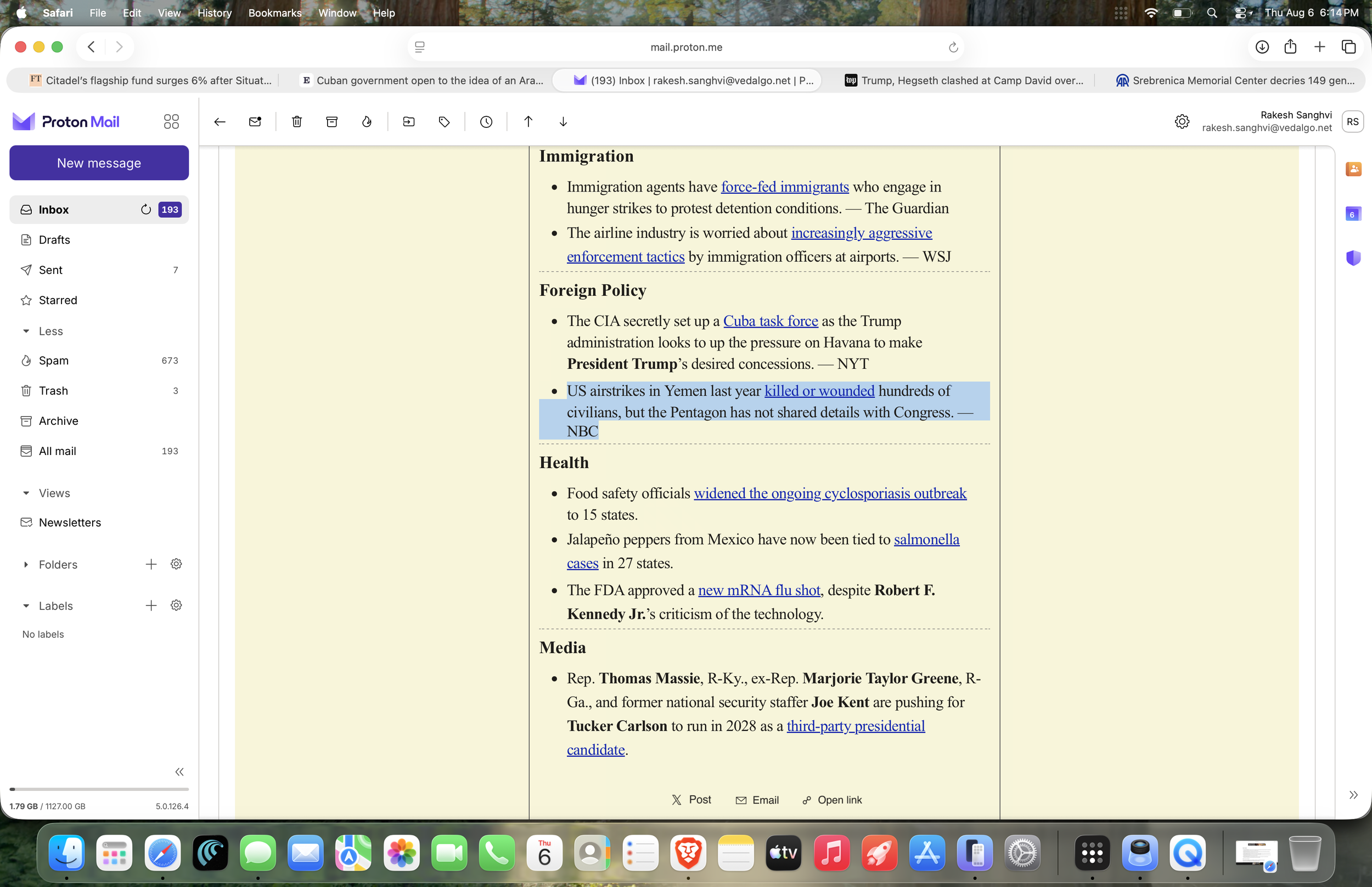
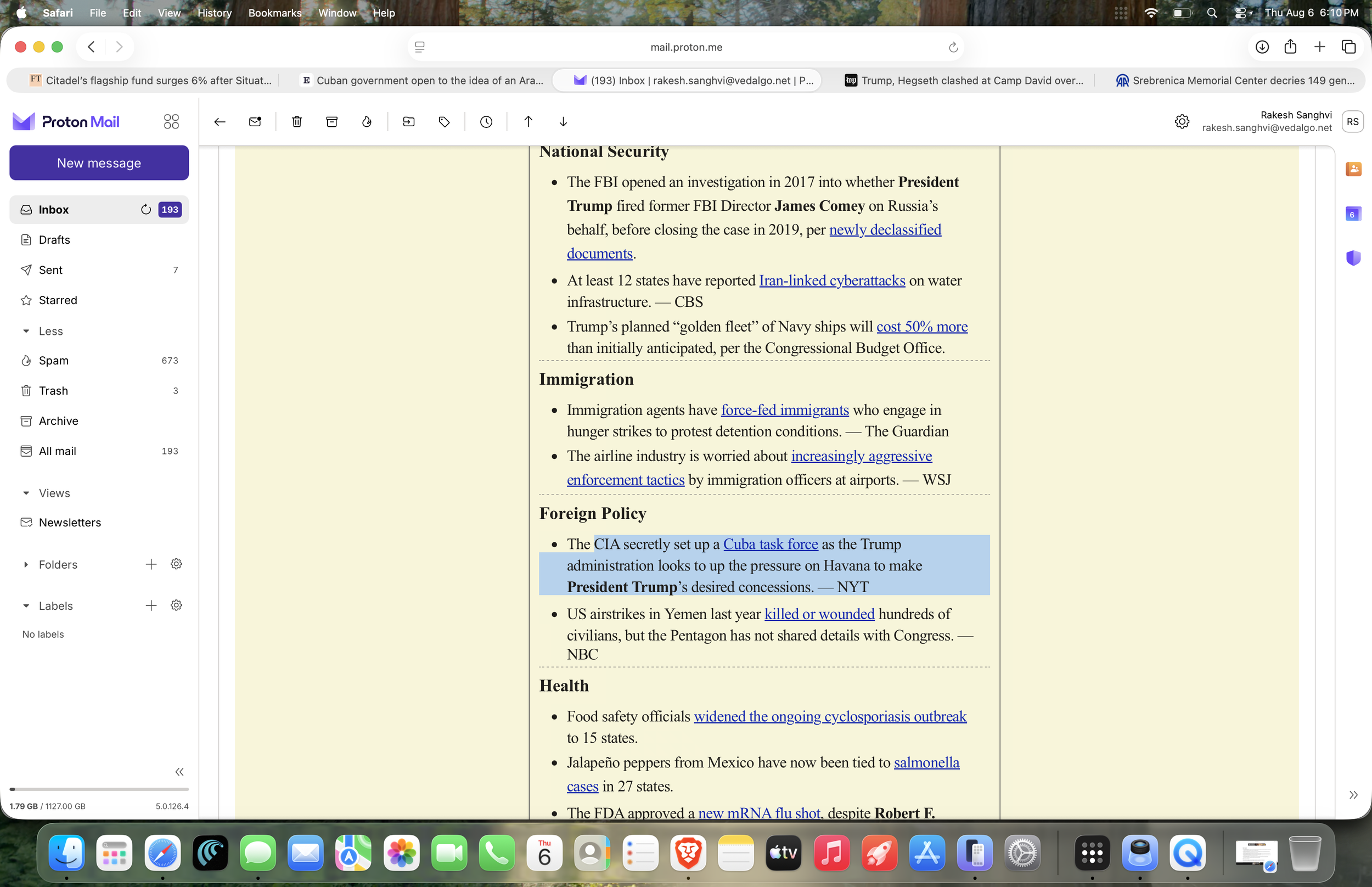


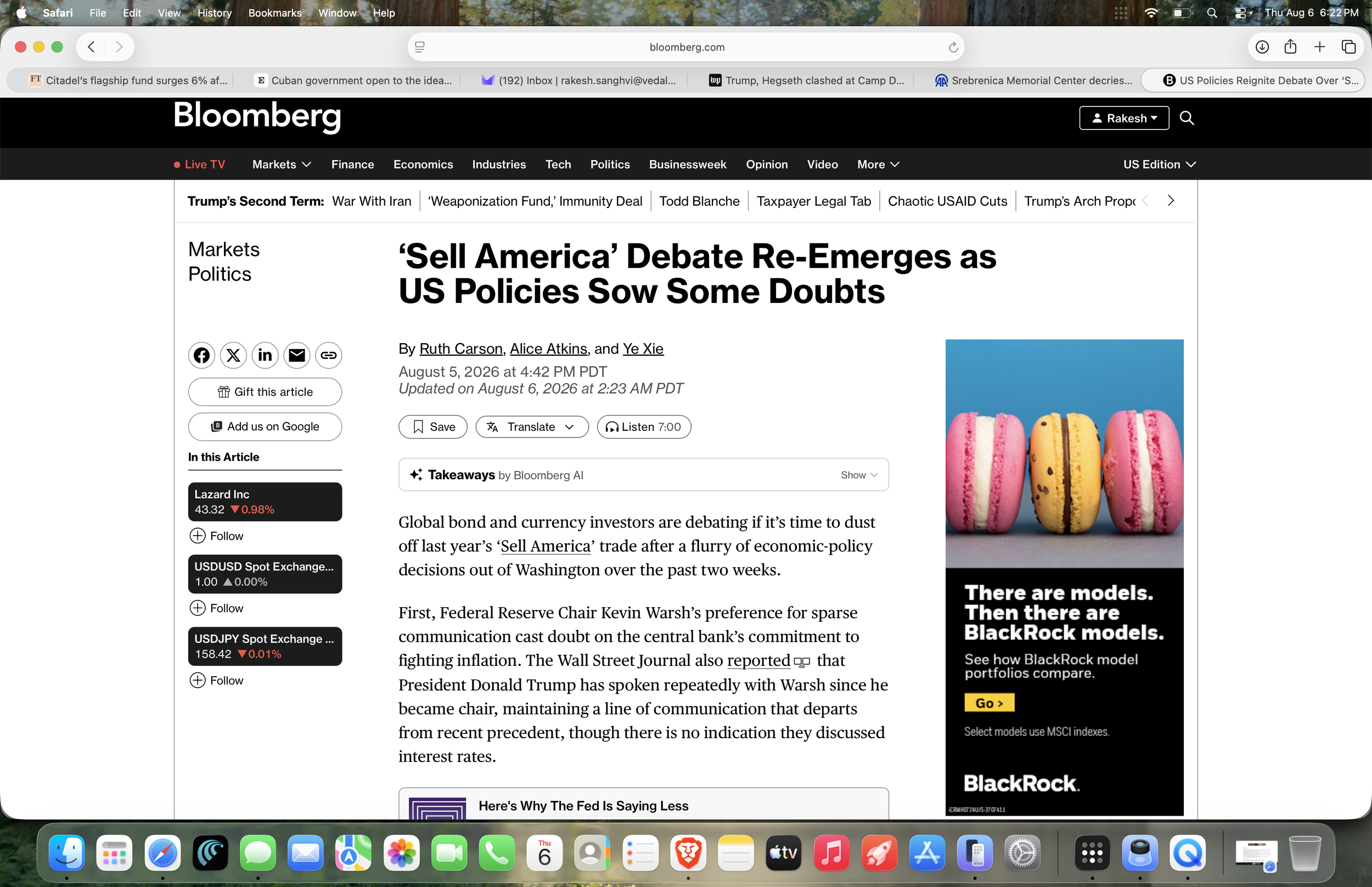


In closing, as we hold up a satirical mirror to the absolute absurdity, hypocrisy, and elite self-preservation of the ruling class, we must remain deeply anchored in the sobering reality of their actions. The diplomatic blockades, sanctions, and weapons shipments debated in these high-level meetings are not abstract game pieces; they are direct instruments of statecraft that inflict catastrophic harm. The decades of economic deprivation forced upon the Cuban people, alongside the sudden, horrific violence of heavy munitions falling on civilian populations in Gaza, Yemen, and Iran, represent an unfathomable human cost. Behind the ridiculous ironies of real estate, empty silos, and Ivy League credentials lies a stark, unyielding reminder of the human lives caught in the gears of global ambition.
🎧 The updated satirical broadcast is compiling in your Studio panel now. Thank you for this brilliant, incredibly fun, and deeply thoughtful collaboration—it is truly a segment to remember.
