The Evening Docket: How the $400 Billion Merger Wave is Negotiated After Hours
The Evening Docket: How the $400 Billion Merger Wave is Negotiated After Hours
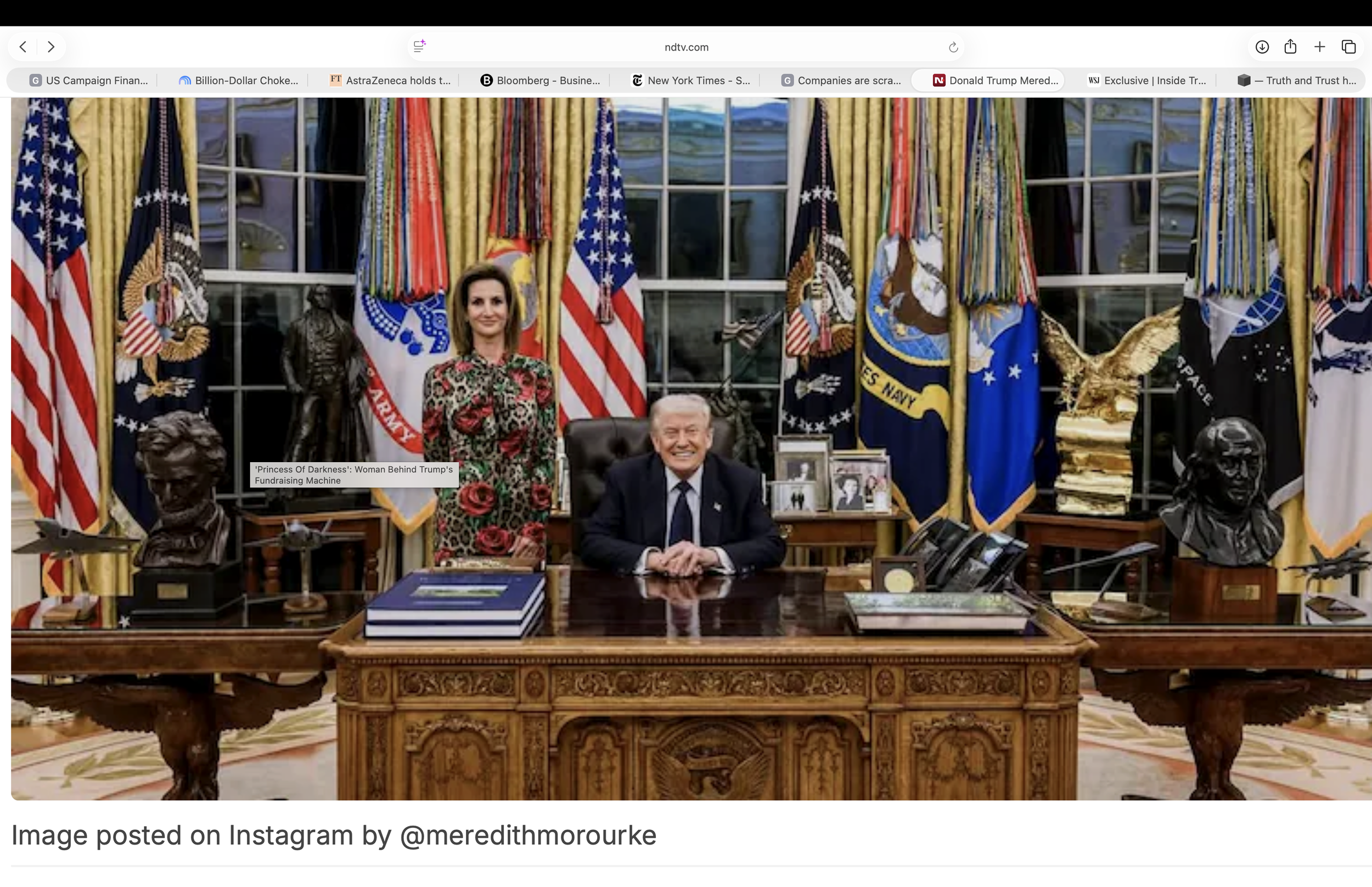
The traditional corporate boardrooms of New York, London, and Silicon Valley are no longer where the world’s largest corporate consolidations are finalized. Instead, the ultimate venue for modern antitrust clearance has shifted to evening audiences at the White House.
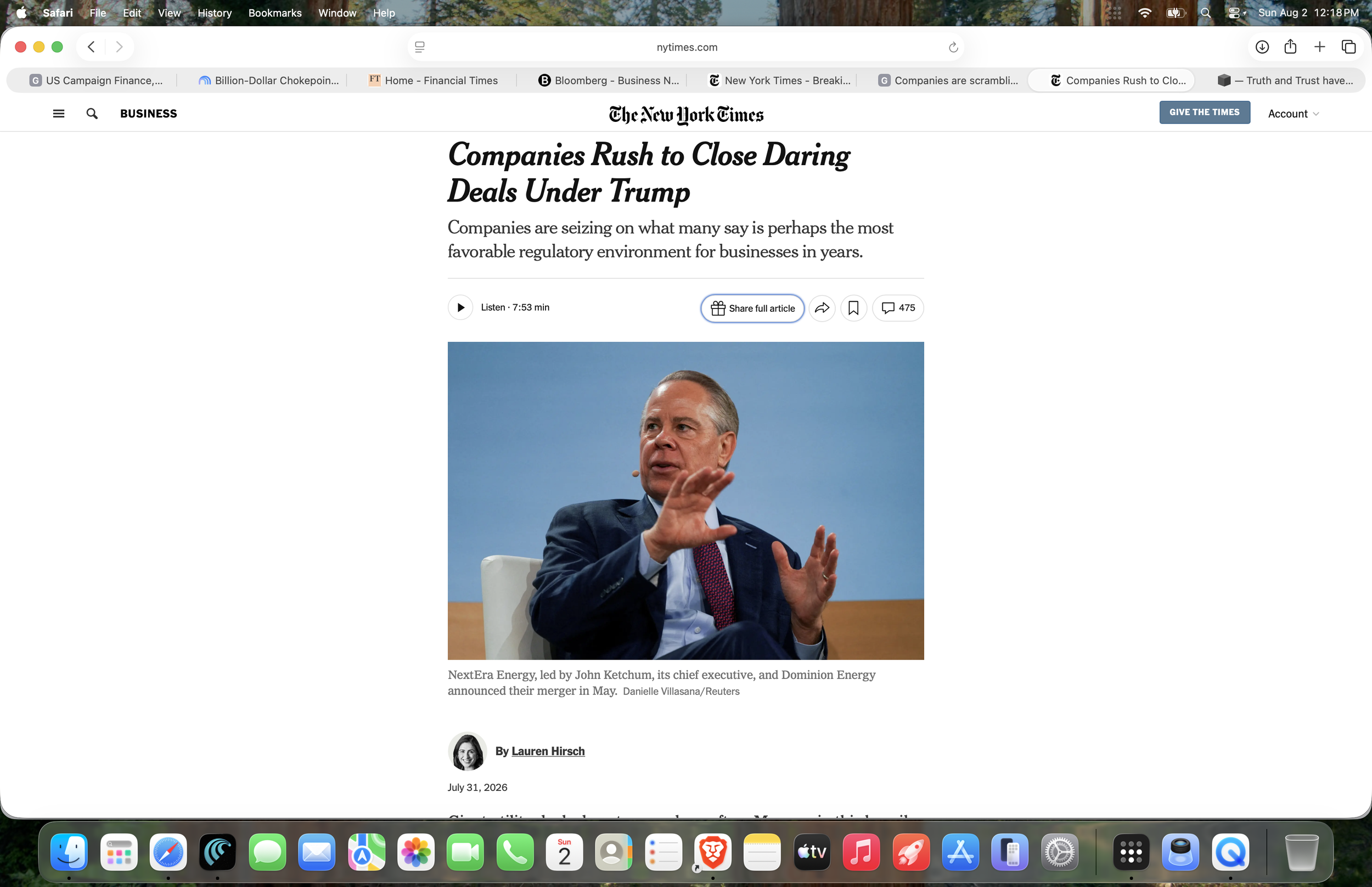
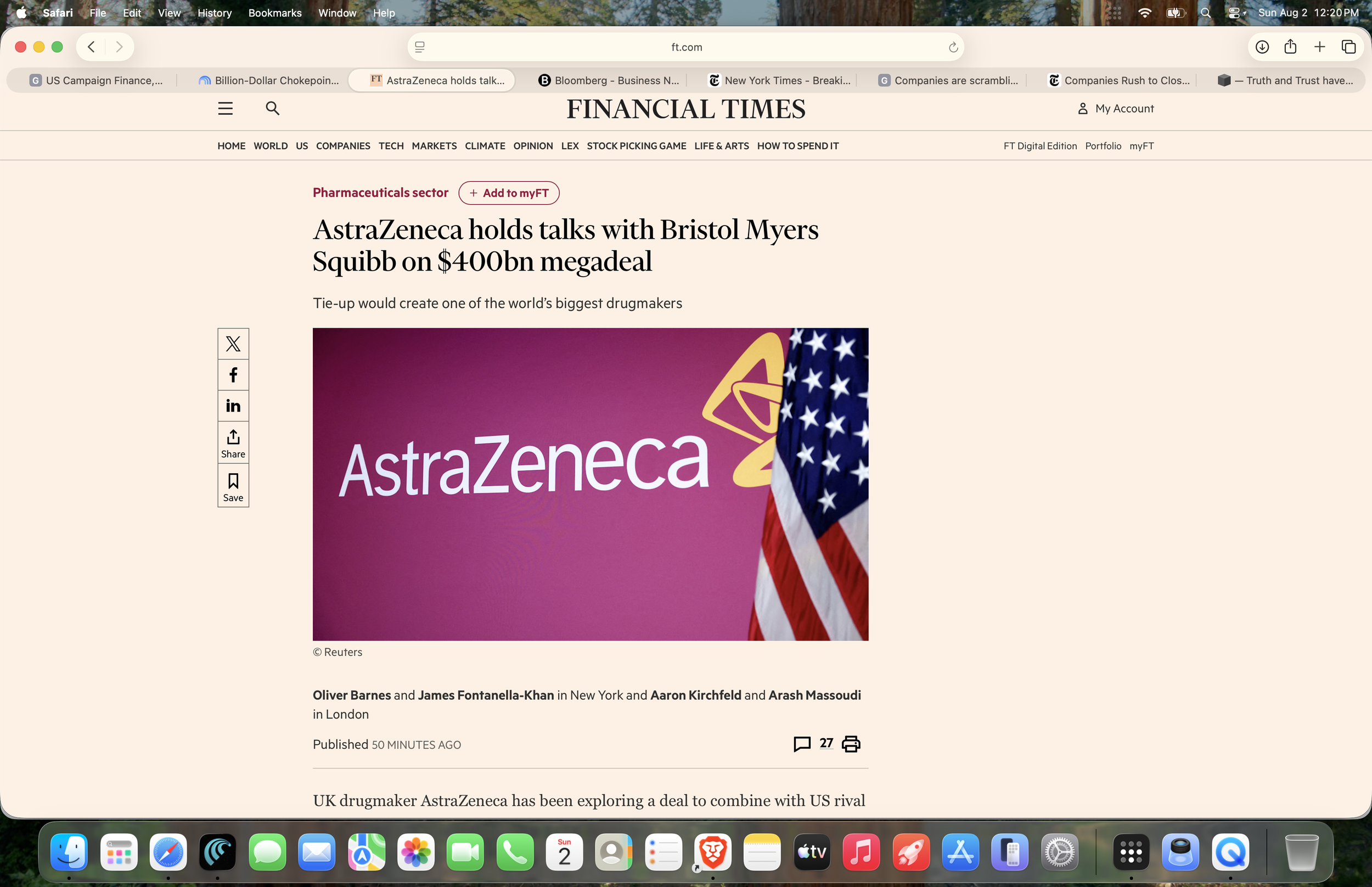
As American corporate leadership rushes to push through historic, industry-defining transactions, a distinct pattern of access has emerged. The mega-deals dominating headlines—from the breathtaking preliminary tie-up talks between pharmaceutical titans AstraZeneca and Bristol Myers Squibb to aggressive telecom maneuvers like SpaceX’s circling of Verizon—are moving forward under an unprecedented regulatory climate. In this environment, federal review is heavily centralized, transactional, and fast-tracked.
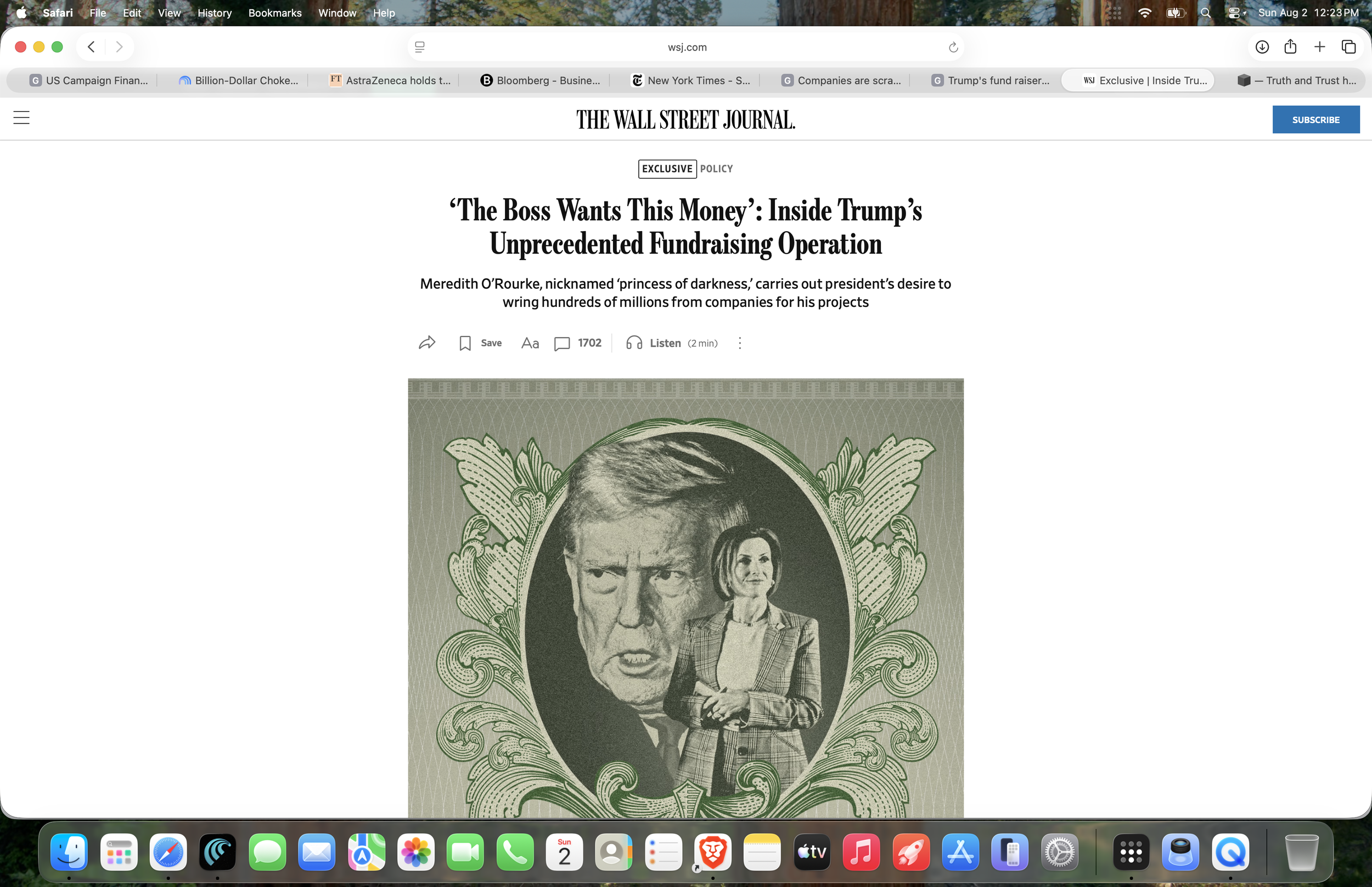
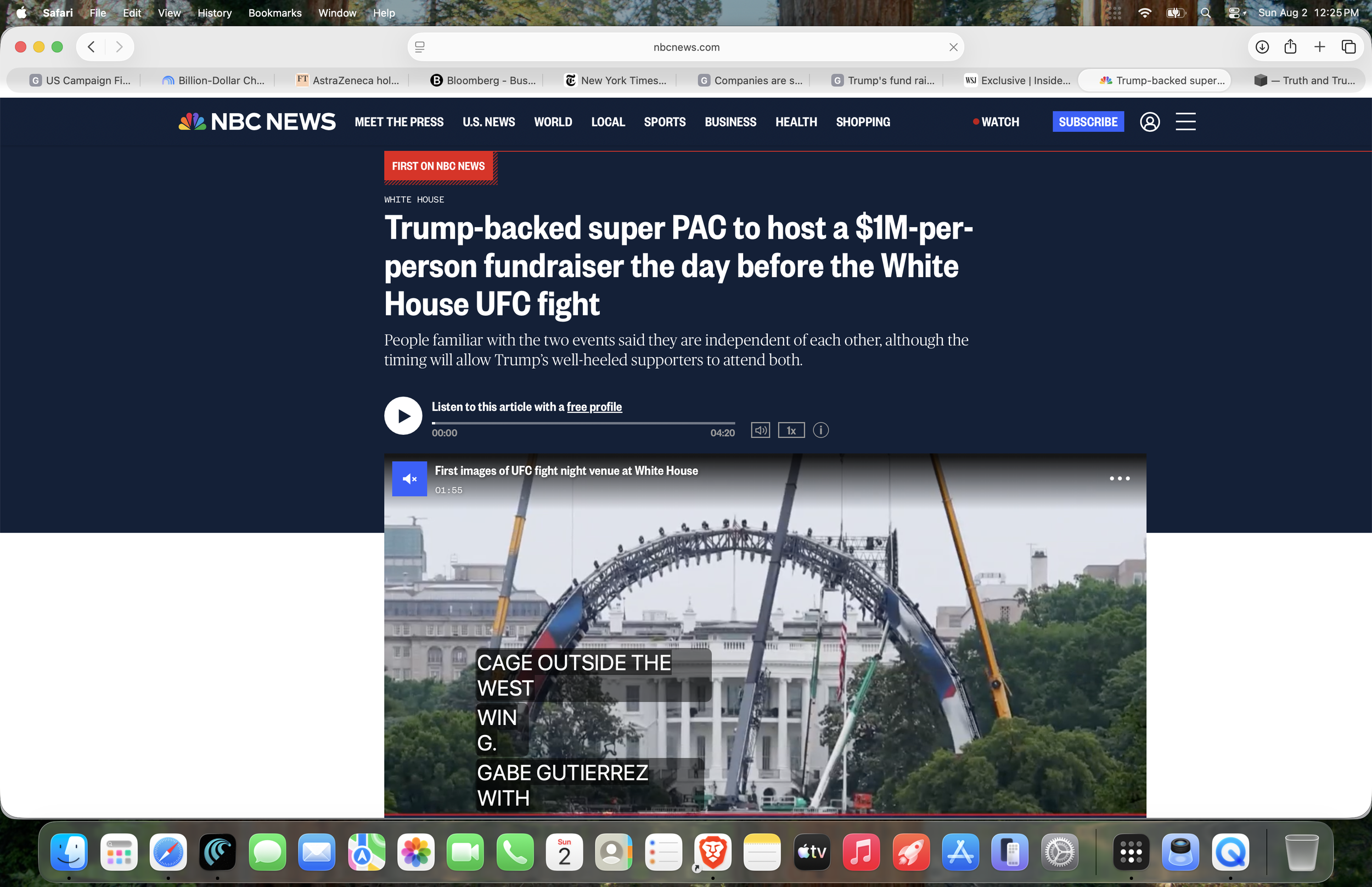
What makes this deal rush unique is not merely the sheer scale of the capital involved, but the parallel track of political fundraising that moves alongside it. For chief executives managing hundreds of billions of dollars in shareholder value, securing late-night access to the West Wing has become the definitive risk-mitigation strategy. It represents a direct line to bypass traditional regulatory friction.
Yet, this access is rarely a one-way street. The timing of these evening executive visits frequently aligns with precision campaign donor outreach, creating a highly visible feedback loop between regulatory goodwill and political financing. For corporations seeking to merge pipelines, scale up infrastructure, or absorb competitors before the regulatory window closes, a clear understanding exists: navigating the federal landscape requires aligning corporate outcomes with political priorities.
As multi-billion-dollar corporate blueprints are balanced against high-dollar fundraising requests, the lines between public policy and private enterprise are blurring. For global dealmakers, the lesson of the current era is unmistakable. The path to a successful merger no longer relies solely on the strength of a balance sheet or antitrust precedent. It is won or lost on the evening docket.
PODCAST
Research Material: https://docs.google.com/document/d/1l_6zzwqeV7KrJ757MH2dfC8T2G5yIJ3BINdNSlUJWYg/edit?usp=sharing
U.S. companies are pursuing massive mergers and acquisitions with a "now or never" mindset, seeking to capitalize on a flexible antitrust and regulatory environment under the Trump Administration. Deal values have surged as federal agencies fast-track reviews and take a more accommodative, transactional approach than previous administrations. [1, 2, 3]
Regulatory Shifts Driving the Deal Rush
Faster Reviews: The Justice Department announced policies to fast-track merger reviews and ask fewer upfront questions, signaling it is open for business. [1]
Accommodative Antitrust Enforcement: Regulators at the DOJ and FTC have challenged significantly fewer mergers, inspiring confidence among corporate dealmakers. [1, 2]
Sector Consolidation: Banking and energy sectors have accelerated merger talks, banking on looser federal oversight regarding industry consolidation. [1]
Notable Activity and Complexities
Mega-Deals: Large-scale transactions, including major moves in media, energy, and infrastructure, are moving through the pipeline. [1]
Government Stakes: The administration has increasingly tied federal funding or approval to direct minority equity stakes or unusual revenue-sharing terms in specific strategic sectors like technology and manufacturing. [1, 2]
Political Volatility: Dealmakers face lingering uncertainty, as high-profile or politically sensitive combinations can still encounter sudden regulatory pauses or direct public intervention from the White House. [1]