Ask not merely who spun the web.
On the Spider's Republic
A meditation in the imagined voice of Cicero
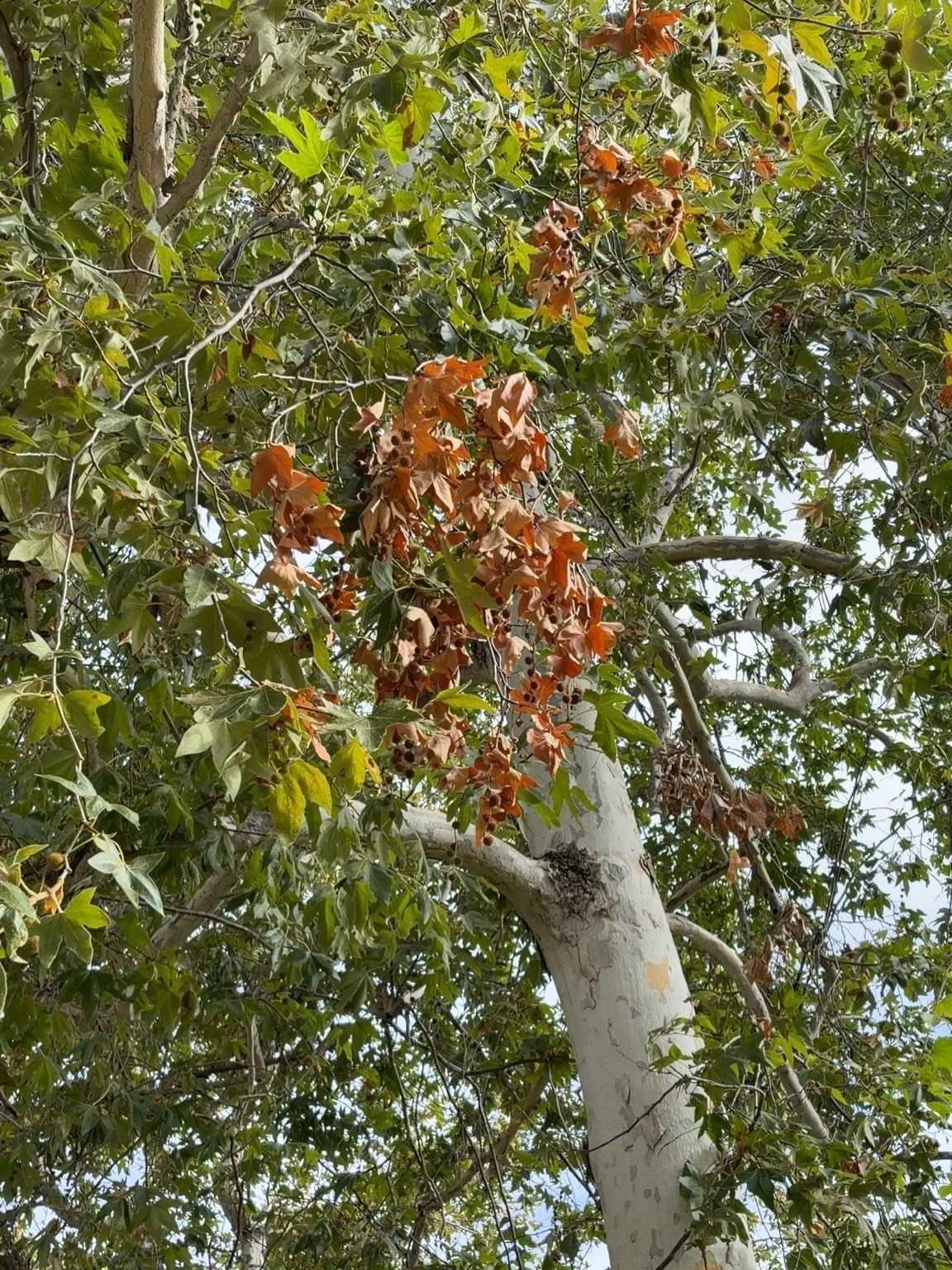
This morning I walked beneath a sycamore.
Its trunk was pale, as though each year it surrendered part of itself so that another year might begin. High among its branches there remained a cluster of dead leaves. Around them the rest of the tree flourished, unconcerned.
The inexperienced observer might declare the tree diseased.
The experienced gardener would smile.
No living thing conducts its affairs without abandoning something.
So too with republics.
A nation does not perish because one branch dies. It perishes when the gardener mistakes every dead branch for the whole tree—or worse, every healthy branch for proof that no rot exists.
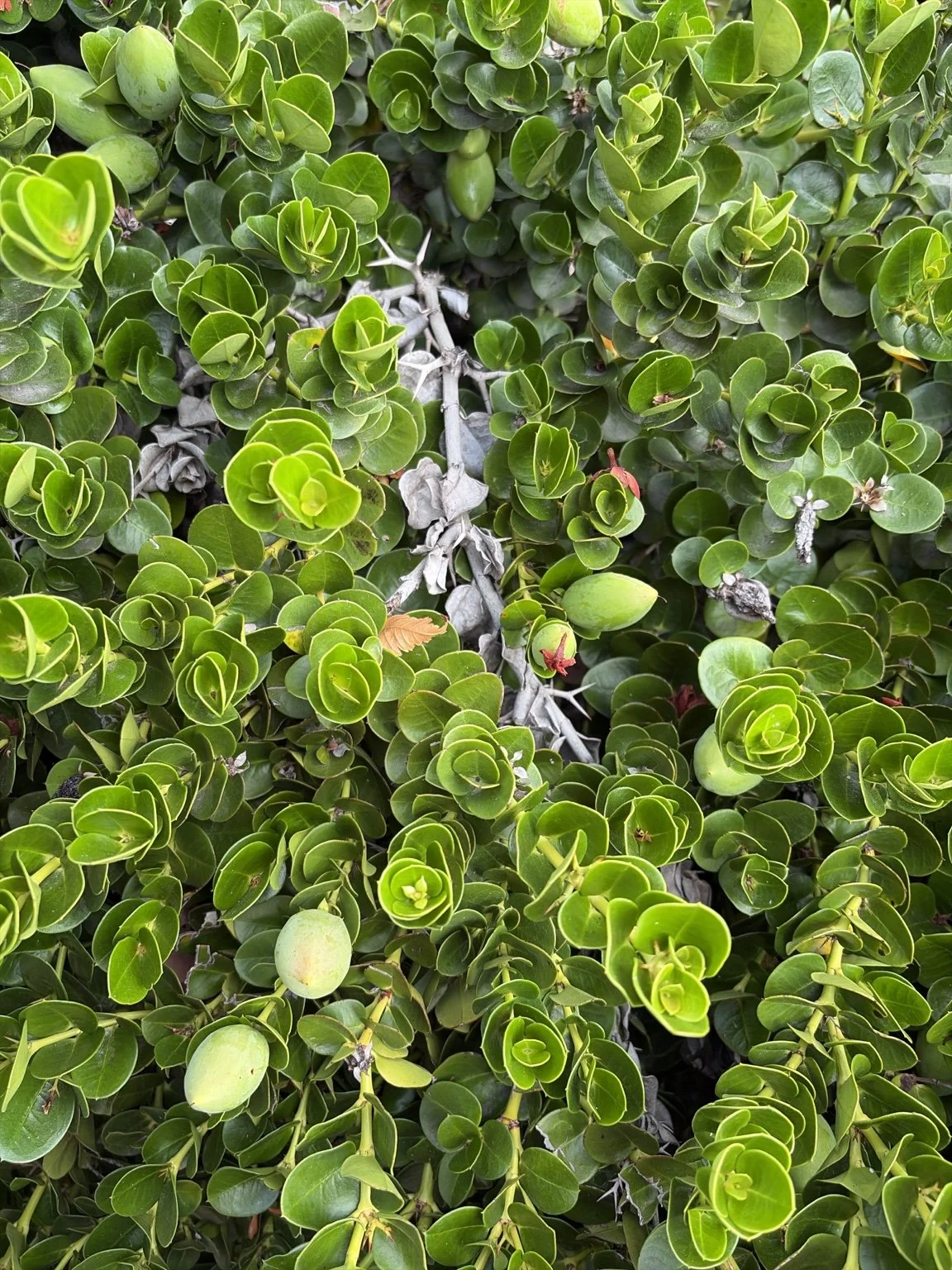
I found a flowering succulent nearby. It thrust delicate blossoms into the dry air upon stems so thin they seemed incapable of carrying beauty. Yet beneath the flowers lay thick leaves swollen with yesterday's rain.
Nature understands a lesson that politicians seldom do.
Visible splendor is always supported by invisible reserves.
The speech rests upon years of reading.
The harvest upon forgotten roots.
Liberty upon customs no generation remembers creating.
Citizens admire the flower and neglect the root until both disappear.
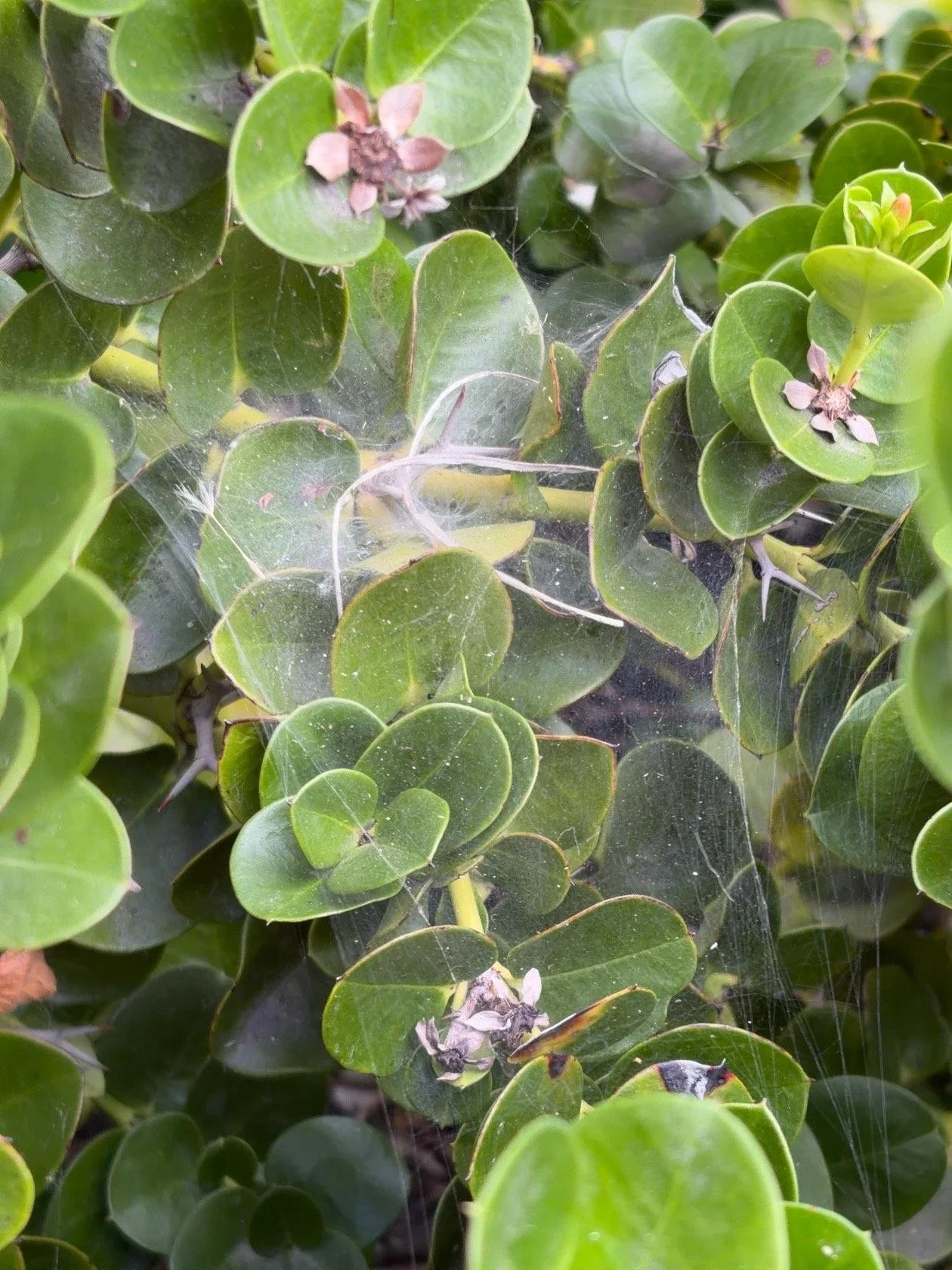
Further along I discovered a shrub whose center had died.
Within those gray branches a spider had spun a magnificent web.
Had I arrived only that morning, I might have concluded that the web had killed the branch.
But that would mistake sequence for cause.
The spider merely recognized an opportunity.
Decay had invited architecture.
How often have we Romans committed the same error.
A demagogue rises.
A financier accumulates impossible influence.
A foreign enemy appears suddenly at the frontier.
We cry, "There! There is the cause!"
Yet they are often merely the spiders.
The dead wood had already formed.
The web only made it visible.
When a republic becomes fragile, ambitious men do not create its weakness.
They discover it.
The web catches the morning dew, and suddenly everyone notices what had been present all along.
This has been the greatest failure of my own life.
Not that I could not speak.
I could.
Not that Rome lacked laws.
She possessed many.
Our failure was believing that constitutions preserve character.
In truth it is the reverse.
Character preserves constitutions.
The laws are merely pressed flowers between the pages of history.
Without living hands to tend them, they remain beautiful but powerless.
The sycamore will shed another patch of bark next year.
The flowering succulent will bloom again.
The spider will abandon its web.
Even the dead branch will one day fall and nourish the soil beneath it.
Nature wastes almost nothing.
Only mankind possesses the strange talent of refusing to learn from what has already been given freely.
I once believed politics to be the highest art.
Now I suspect gardening deserves the title.
The gardener does not command growth.
He merely creates the conditions in which growth is possible.
He knows that pruning is not punishment.
That decay is not always catastrophe.
That weeds are symptoms as often as causes.
That every flourishing tree contains some dying wood.
And that no republic survives unless someone quietly tends the roots while everyone else is busy applauding the flowers.
So I leave these observations not as arguments but as reminders.
When you next encounter a blossom in barren soil, remember that resilience often hides beneath simplicity.
When you next discover a spider's web upon a dying branch, ask not merely who spun the web, but what made the branch available to it.
And when you next stand beneath a great sycamore shedding its bark, consider whether renewal requires not only adding new growth, but also the courage to relinquish what can no longer carry life.
For nations, no less than trees, do not die because they change.
They die because they forget which part of themselves must remain alive.
"The gardener does not command growth. He merely creates the conditions in which growth is possible."
