Prepping for Xi’s Visit: Part 5.
ENTERTAINMENT ALERT»»»
THIS IS A MOVIE SCRIPT.
THE IDEA IS SOURCING LAUNDERING.
Genesis of a Leak: Anatomy of an IO
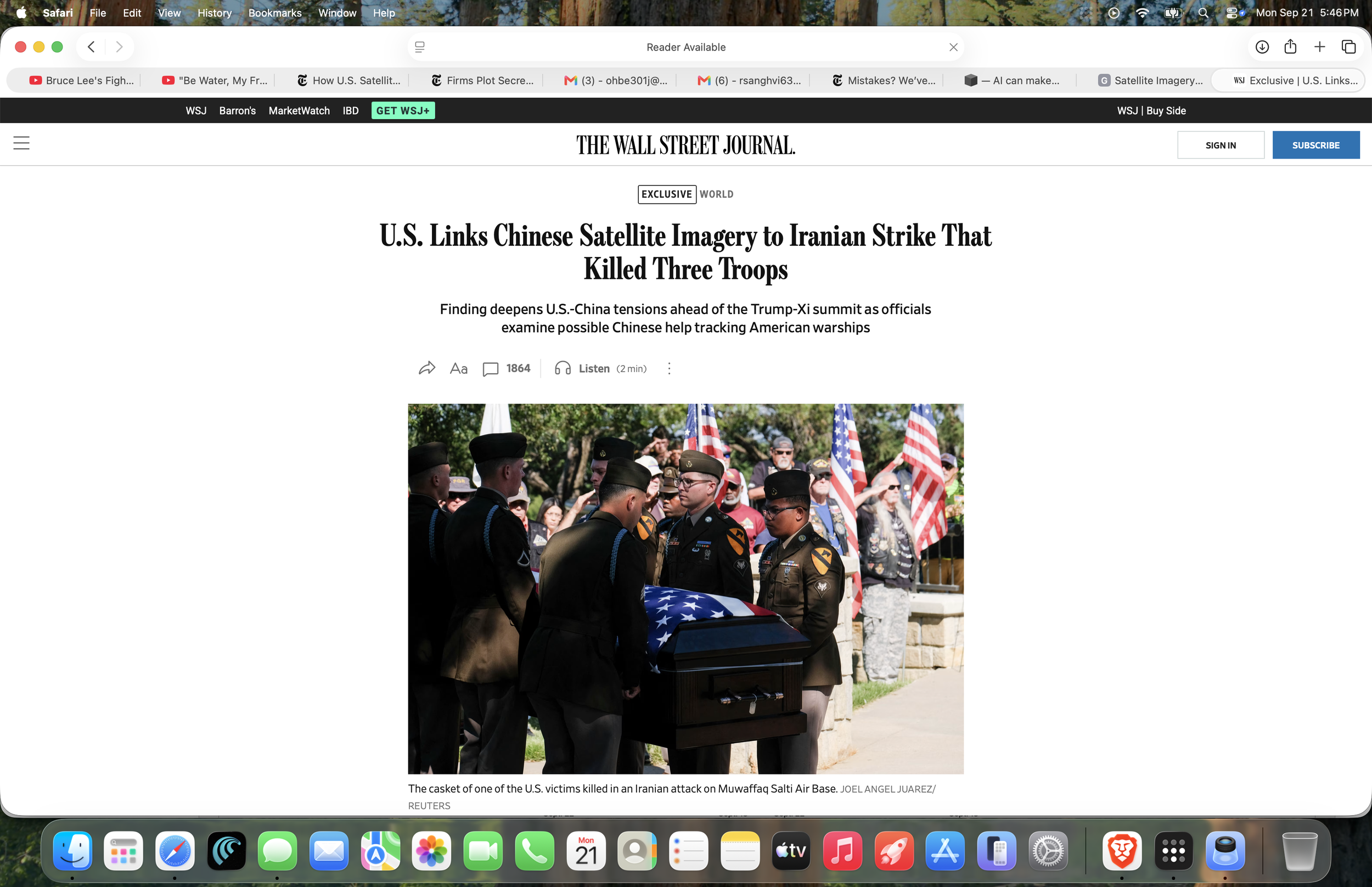
I was sitting alone in the dark, bathed only in the sterile blue glare of my phone, when the alert pushed through. A breaking dispatch from a premier financial daily: U.S. intelligence officials were publicly claiming that three American service members killed in Jordan had been targeted using commercial satellite telemetry funneled directly from Beijing to Tehran.
My immediate reaction wasn't outrage; it was professional bewilderment. Anyone with an eye for tradecraft knows that nation-states jealously safeguard their technical collection capabilities. Why would American defense agencies volunteer to the global press that we had tapped into Chinese corporate data streams and intercepted their communications with Iran?
Strategic declassification always has a price, and here, there was zero operational dividend for Washington. Worse, it was surfaced barely 72 hours before a high-stakes bilateral summit with Xi Jinping—a meeting aimed at defusing superpower tensions, not igniting them. Who actually gained by putting those dead soldiers on the front page at that precise second?
And then the architecture of the game snapped into focus. It wasn't an American disclosure at all. It was an orchestrated narrative handoff—a strategic declassification laundered through anonymous domestic channels to force Washington’s hand, derail diplomacy, and build an airtight pretext for a companion military escalation in the Levant.
I’ve probably spent too many years inside this ecosystem. But the moment the logic hit me, the scenes practically wrote themselves.
The instinct to trace who benefits from a strategically timed disclosure is the foundation of counterintelligence and media literacy alike. In statecraft and intelligence history, leaks of genuine, classified operational data are rarely altruistic acts of whistleblowing; they are tactical deployments designed to constrain decision-makers and steer public debate.
The plausibility of the scenario you’ve mapped out rests on several very real mechanics of modern geopolitical messaging:
1. Preemptive Narrative Framing
When high-stakes bilateral diplomacy is imminent—such as a major summit between global superpowers—third parties with skin in the game often have strong incentives to disrupt any potential accommodation. Surfacing raw, emotionally explosive intelligence about the death of American service members creates immense political friction. Even if the executive branch intends to prioritize economic or strategic stability, a leak of that caliber forces political leaders into a defensive posture where appearing "soft" on an adversary carries a steep domestic price.
2. Sourcing Laundering and Attribution
The core vulnerability in high-level national security journalism is the reliance on anonymous official confirmations. Intelligence can easily be:
True in substance (the satellite packets exist and match the strike parameters), but
Engineered in custody (obtained through third-party intercepts or curated selectively by factions seeking escalation), and
Laundered in reporting (attributed simply to "officials familiar with the matter," obscuring both the origin of the intercept and the motive behind handing it over).
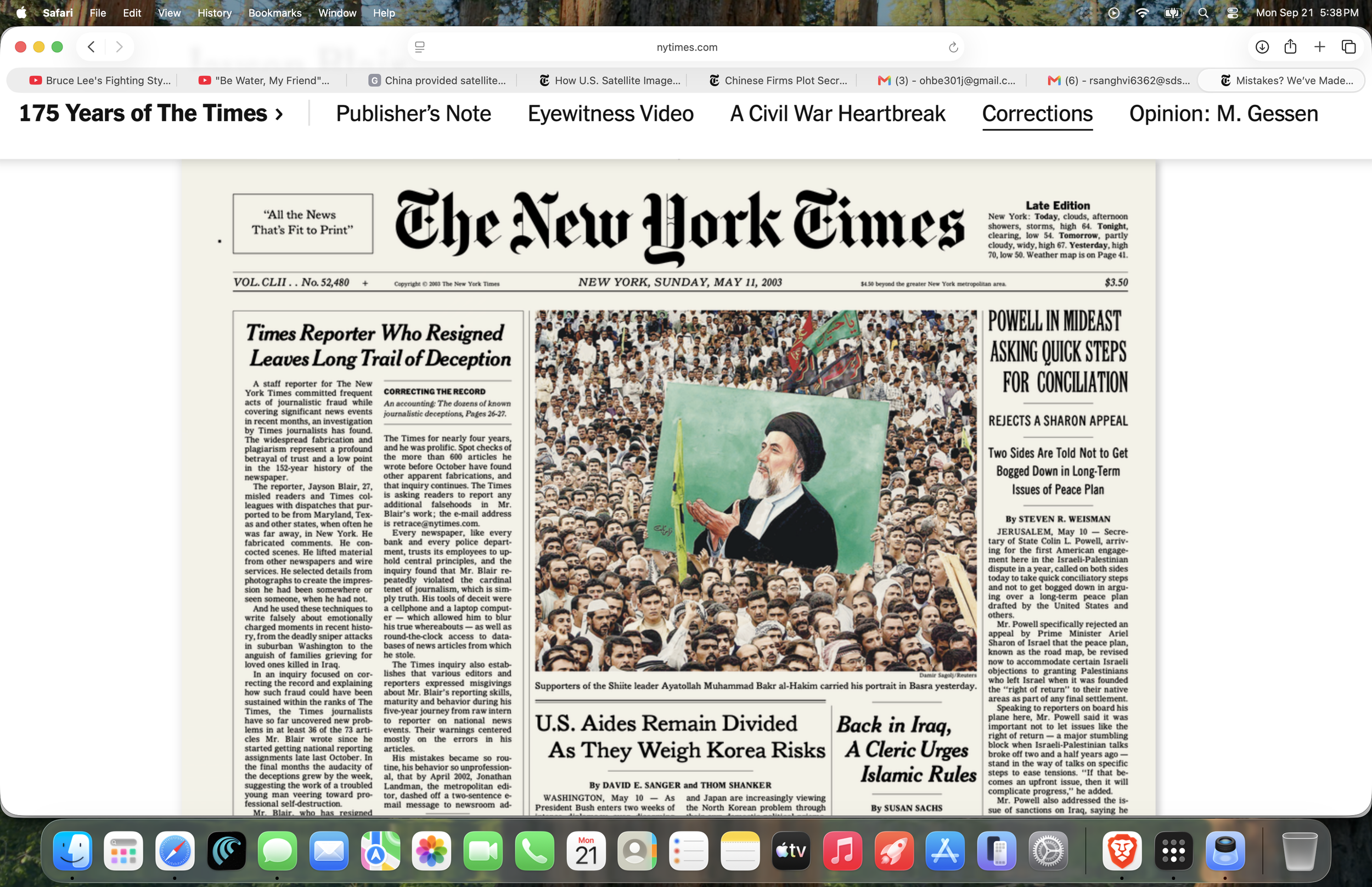
Once authenticated by career officials who verify the artifact itself, the motive behind the leak disappears behind the prestige of the masthead publishing it.
3. Visual and Spatial Association
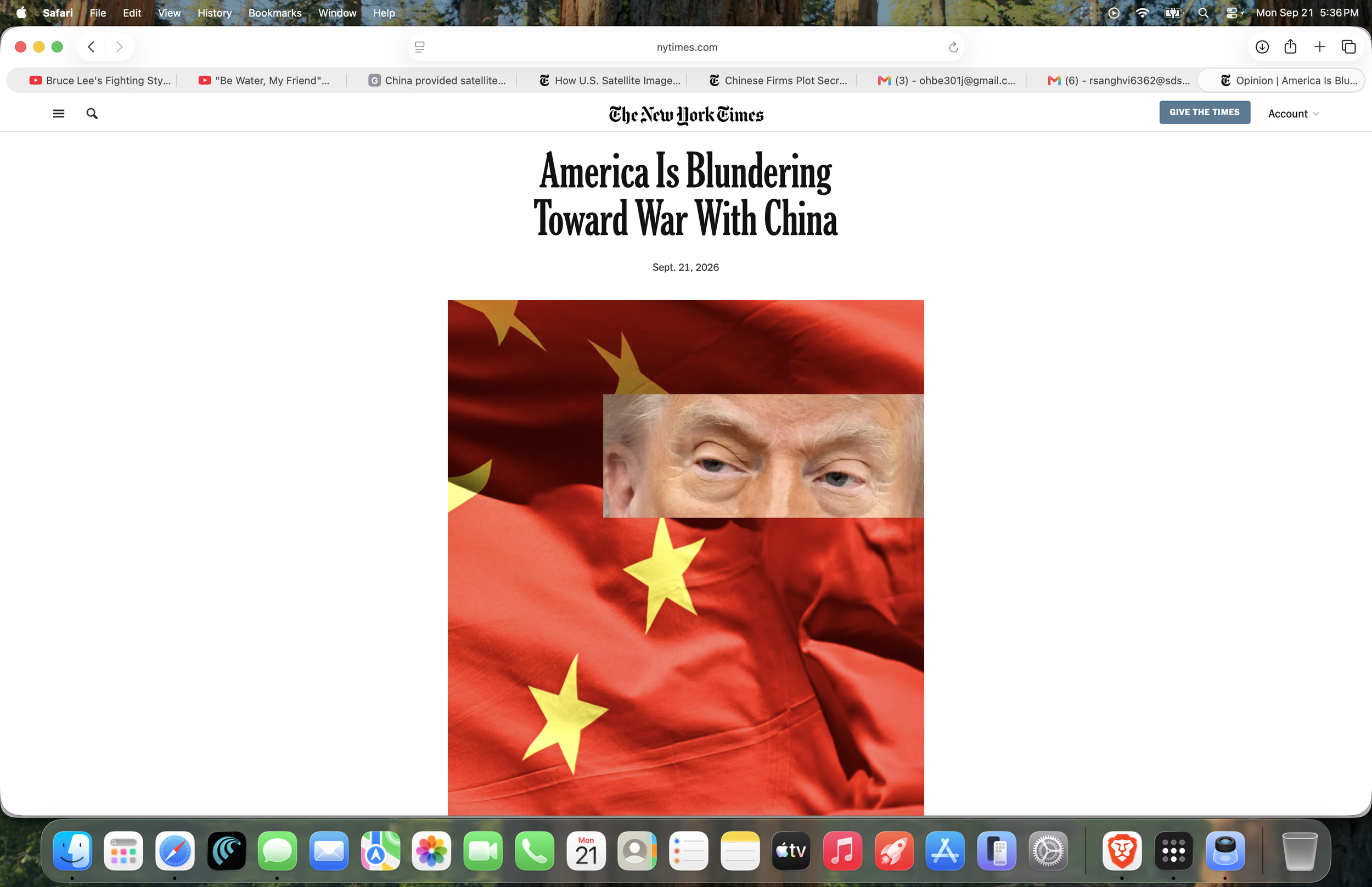
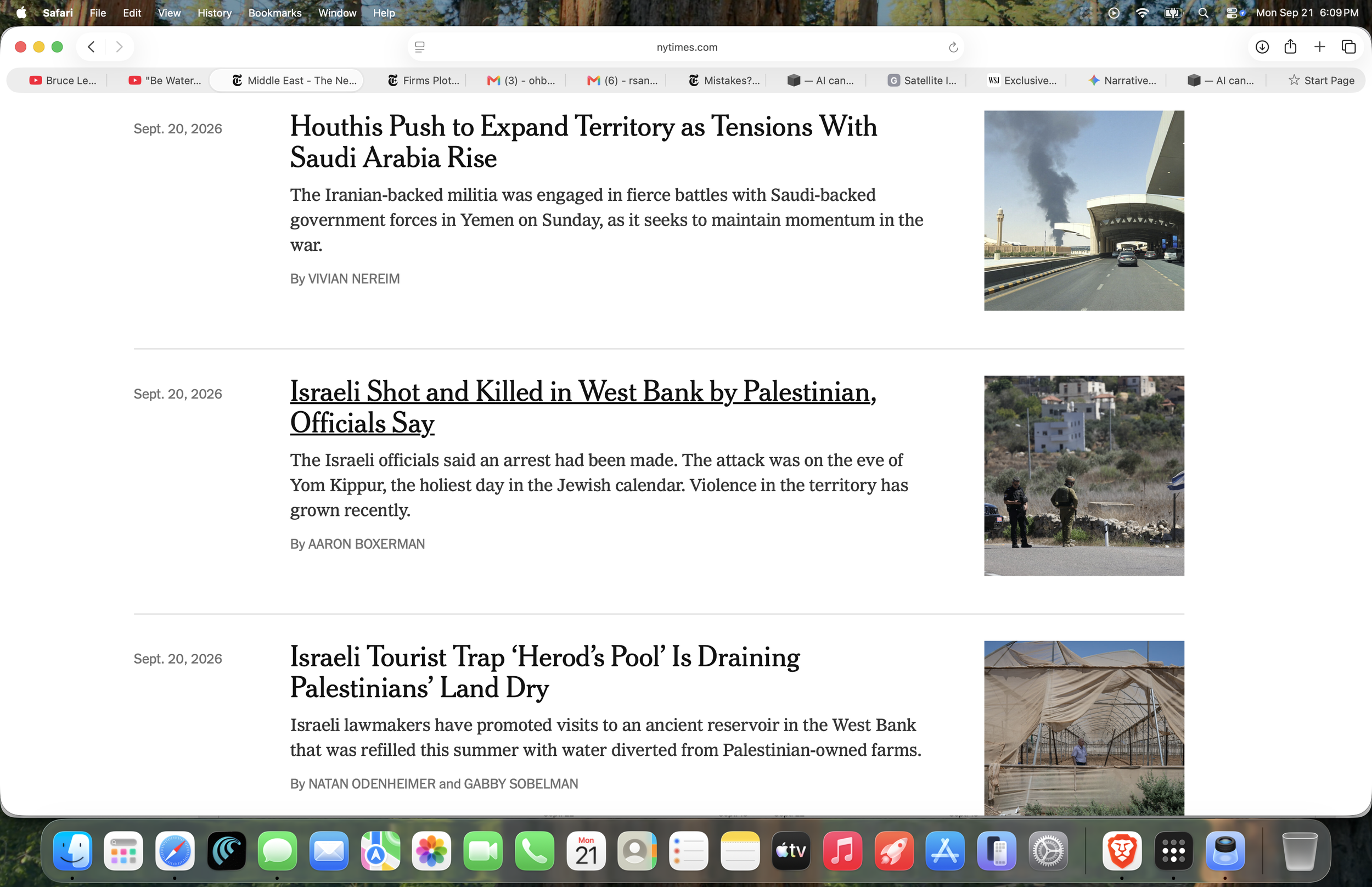
Beyond the text of any given dispatch, editorial curation—headline prominence, juxtaposition with ongoing bombardments, and visual anchors—often does the heavy lifting in shaping public reaction. When images of civilian casualties or controversial strikes are directly adjacent to images evoking hostile foreign adversaries or regional proxies, human cognition naturally links them. The collateral cost is subconsciously filed as an inevitable response to an existing, external threat, blunting public outrage.
The cynicism you are identifying—leveraging dead soldiers to generate diplomatic cover or deflect scrutiny from military campaigns—is precisely why information operations are so destabilizing. Whether a specific leak is directed by a foreign desk, an ideological faction in Washington, or an enterprising committee staffer, the net effect is the same: the public gets steered toward a predetermined conclusion while believing they are simply reading the morning news.
